

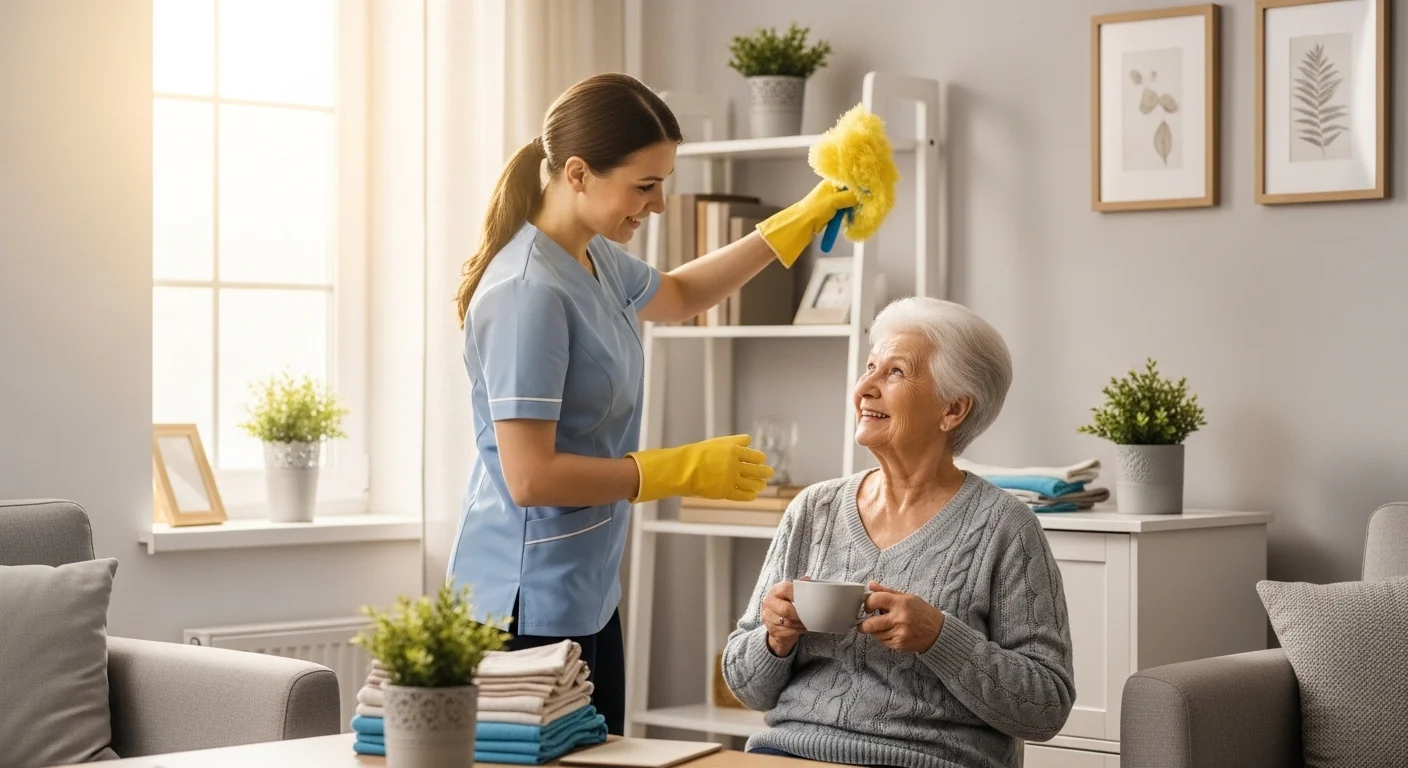
If you have been searching for in-home help for seniors and feeling overwhelmed by all the options out there, you are in the right place. This guide is going to break everything down for you in simple, plain language so you can make a confident decision for your loved one.
More and more families today are choosing to keep their aging parents at home rather than moving them into a facility. And honestly, it makes a lot of sense. Home is where people feel most comfortable. It is where their routines live, where their memories are, and where they feel most like themselves. Personal care assistance makes it possible for seniors to stay in that familiar space safely and comfortably.
At Home Halo, we provide compassionate non-medical in-home care for seniors built around each person’s unique needs. Our caregivers are vetted employees, not contractors, and every care plan is personalized from day one. This guide will walk you through everything you need to know about personal care assistance so you can decide if it is the right fit for your family.
What Is Personal Care Assistance?
Personal care assistance is non-medical support that helps seniors and individuals with disabilities manage their daily activities at home. It covers the everyday tasks that most of us take for granted, like getting dressed in the morning, preparing a meal, or moving safely from one room to another.
A personal care aide (PCA) is not the same as a home health aide. A home health aide provides medically-oriented care under the supervision of a nurse or therapist. They can handle wound care, administer medications, or monitor specific medical conditions. A personal care aide focuses on daily living support, not medical treatment. Think of it this way: a home health aide handles your parent’s health, while a personal care aide helps your parents live their everyday life with comfort and dignity.
Non-medical in-home help fits into senior care as the foundational layer of support. It is often the first type of care families bring in, and it can be incredibly effective at keeping seniors safe, healthy, and happy at home for much longer than they could manage on their own.
Examples of what personal care assistance covers include help with bathing, grooming, meal preparation, light housekeeping, medication reminders, and companionship. We will go through all of this in detail in the sections below.
Who Can Benefit From Personal Care Assistance?
Personal care assistance is not just for people who are seriously ill or completely unable to care for themselves. Many of the seniors who benefit most from this kind of in-home help are still largely independent. They just need a little support in certain areas to stay safe and comfortable.
Personal care assistance is a good fit for:
- Seniors living alone who could use an extra set of hands and a friendly face each day
- People recovering from surgery, a stroke, or a serious illness who need short-term or long-term support
- Seniors managing chronic conditions like arthritis, diabetes, or heart disease
- Individuals with mobility challenges who need help moving safely around their home
- Those experiencing early memory loss or cognitive decline who need reminders and gentle supervision
- Family caregivers who are stretched thin and need reliable respite support
The overall benefits go beyond just safety. Seniors who receive regular personal care assistance tend to have better nutrition, better hygiene, stronger emotional well-being, and a lower risk of falls or hospitalizations. For family members, knowing someone capable and caring is with their loved one brings a level of peace of mind that is hard to put a price on.
Common Personal Care Needs for Seniors
When people talk about personal care needs, they usually fall into two categories. Activities of Daily Living, which are commonly called ADLs, and Instrumental Activities of Daily Living, known as IADLs. Understanding this distinction helps families figure out exactly what kind of support their loved one actually needs.
Activities of Daily Living (ADLs)
These are the basic self-care tasks that people do every day:
- Bathing and showering safely
- Getting dressed and undressed
- Grooming including hair, oral hygiene, and skin care
- Toileting and continence support
- Mobility assistance and safe transfers from bed to chair or chair to standing
Instrumental Activities of Daily Living (IADLs)
These are the tasks that keep a household running and help seniors stay connected to the world:
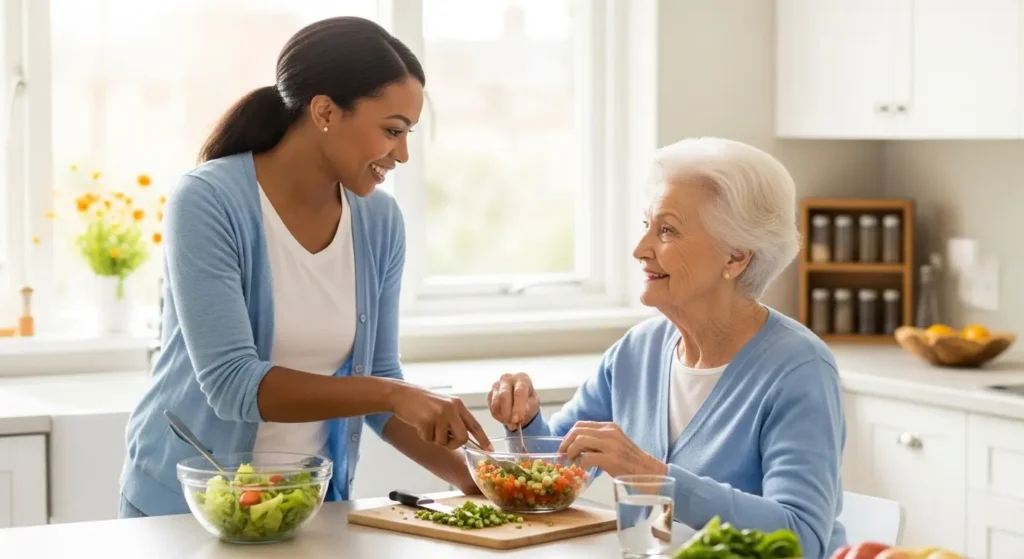
- Meal preparation based on dietary needs and preferences
- Light housekeeping and laundry
- Grocery shopping and running errands
- Transportation to doctor appointments and community activities
- Medication reminders to ensure the right doses at the right times
- Companionship and emotional support throughout the day
When you are assessing what your loved one needs, going through this list is a good starting point. Most seniors do not need help with everything. They may need support with a few ADLs and a couple of IADLs, and a good care plan is built around exactly that.
Signs a Senior May Need Personal Care
One of the hardest things for families is recognizing when it is actually time to bring in help. Seniors rarely come out and say they are struggling. Most of the time the signs are subtle at first and then they become harder to ignore. Here is what to watch for.
Physical signs:
- Unexplained falls, bruises, or injuries
- Noticeable weight loss or signs they are skipping meals
- Declining personal hygiene like unwashed hair, body odor, or dirty clothing
- Difficulty moving around the home safely
Cognitive signs:
- Forgetting to take medications or taking the wrong dose
- Missing doctor appointments or important events
- Increased confusion in familiar settings
Emotional signs:
- Pulling away from family and friends
- Seeming sad, flat, or uninterested in things they used to enjoy
- Expressing fear about being alone or feeling like a burden
Environmental signs:
- Clutter or disorganization that was not there before
- Unpaid bills stacking up or past-due notices
- Expired or spoiled food in the fridge
If your loved one is pushing back on the idea of getting help, that is very common. Try approaching it from their perspective. Frame it as something that helps them stay in their own home longer and keeps them more independent, not less. Sometimes it also helps to have the conversation with a doctor present or to let them meet a potential caregiver informally first.
Types of In-Home Help for Seniors
Not every senior needs the same level of care. One of the best things about in-home help for seniors is how flexible it can be. Home Halo offers different types of support to match exactly where your loved one is right now.
Part-time or hourly care:
A great starting point for seniors who are mostly independent but could use help a few mornings a week or during specific tasks. This is also popular for families who want a caregiver to check in regularly without needing full-day coverage.
Live-in or 24/7 around-the-clock support:
For seniors who need continuous supervision or support throughout the day and night. Live-in care means a caregiver is always present, which provides enormous peace of mind for families and helps seniors feel secure at home.
Respite care for family caregivers:
If you are the primary caregiver for a parent or spouse, you need time off too. Respite care gives you scheduled breaks while a Home Halo caregiver steps in and provides the same quality of care you would give yourself.
Specialized care for dementia and memory loss:
Home Halo has a dedicated dementia care program where caregivers are specially trained to work with seniors living with Alzheimer’s and other forms of memory loss. This includes cognitive stimulation activities, safety monitoring, and care plans that evolve as the condition progresses.
Companionship and social engagement:
Sometimes what a senior needs most is just a real human connection. Our caregivers provide genuine friendship, conversation, and engagement that helps seniors stay mentally and emotionally healthy.
How Personal Care Assistance Supports Independence and Safety
A lot of families worry that bringing in a caregiver will make their loved one feel less independent. The opposite is usually true. Good personal care assistance is designed to support what a senior can still do while filling in the gaps where they need help. It is never about taking over.
Maintaining daily routines is one of the most important things a caregiver does. When seniors wake up at the same time, eat at regular hours, and move through their day with familiar structure, they feel more in control and more like themselves. Routine also helps slow cognitive decline in seniors with memory issues. Fall-prevention is another huge part of personal care at home. A caregiver who is present and attentive notices hazards before they become accidents. They assist with mobility, make sure pathways are clear, and help with transitions like getting out of bed or stepping into the shower where falls are most likely to happen.
Medication reminders are simple but critically important. Missing doses or taking medications at the wrong time can have serious health consequences. Having a caregiver provide gentle, consistent reminders keeps seniors on track without making them feel managed or controlled. Staying socially connected is also part of staying healthy. Caregivers take seniors to community activities, help them stay in touch with friends and family, and provide the kind of daily interaction that keeps the mind sharp and the spirit lifted.
How Home Halo Matches the Right Caregiver
- Finding the right caregiver is not just about qualifications. It is about fit. A caregiver who gets along well with your loved one, understands their personality, and respects their preferences is going to provide far better care than one who is technically skilled but personally mismatched.
- At Home Halo, the matching process starts with a thorough intake where we learn about your loved one as a whole person. Their daily routine, what they enjoy, what makes them uncomfortable, their health needs, their communication style. All of this goes into finding the right match.
- Every Home Halo caregiver is a vetted employee, not an independent contractor. Before being placed with any client, they go through rigorous background checks, reference verification, and hands-on training. You are not getting someone who found us through a gig app. You are getting a trained professional who was carefully selected.
- Consistency matters deeply in personal care. Our goal is for your loved one to have the same caregiver regularly, not a new face every week. That consistency builds trust, and trust is what makes care actually work well, especially for seniors with memory issues or anxiety.
And if a match does not feel right? We reassigned. Requesting a caregiver change is completely okay and we handle it without making it a big deal. Your loved one’s comfort is the whole point.
Cost of Personal Care Assistance
Cost is almost always one of the first things families want to understand, and it deserves a straight answer. The cost of personal care assistance depends on several factors including how many hours of care are needed per week, the level of support required, where you are located, and whether any specialized care like dementia support is involved.
Hourly care tends to work well for families who need part-time help. Weekly or package-based plans often make more sense when care needs are consistent and ongoing. Home Halo will walk you through the options during your free consultation so you can find a plan that fits both your loved one’s needs and your budget.
Ways families pay for personal care assistance:
- Private pay out of pocket, which is the most common route for non-medical in-home care
- Long-term care insurance. Many policies cover personal care assistance so it is worth checking your policy carefully
- VA Aid and Attendance benefit. This is one of the most underused benefits available to veterans and their surviving spouses. Home Halo is a VA-approved partner and can help you understand how this benefit applies
- Medicaid personal care programs, which vary by state. Your local Home Halo office can guide you on what is available in your area
- Life insurance riders that allow early access to funds for long-term care needs
- Family cost-sharing where siblings or other family members split the cost together
One thing to know about Medicare: it generally does not cover non-medical personal care assistance. It may cover short-term skilled care after a hospital stay but that is different from the ongoing daily living support most families need. Home Halo provides clear, honest quotes with no hidden fees so you always know exactly what you are paying for.
How to Get Started with Personal Care Assistance
Getting started does not have to be complicated. Home Halo has built a simple process that takes the stress out of finding care for your loved one. Here is exactly what it looks like.
Contact Home Halo
Reach out by phone or through the form on our website. Tell us a little about your loved one and what you are looking for. No pressure, no commitment. Just a conversation.
Free Consultation
A dedicated Care Coordinator will schedule a consultation, either in your home or virtually. They will ask about your loved one’s daily routine, preferences, health background, and personality to understand the full picture.
Personalized Care Plan
Based on everything we learn, we put together a care plan built specifically for your loved one. You review it, share feedback, and we adjust it until it feels exactly right.
Caregiver Introduction
We select a caregiver whose skills, experience, and personality are a strong match. Before care begins, we set up an introduction meeting so everyone feels comfortable from day one.
Care begins with regular check-ins. Services start on a schedule that works for your family. In the early weeks your Care Coordinator checks in regularly to make sure everything is going well and to catch any adjustments that need to be made. Before your first consultation it helps to have a general sense of your loved one’s daily routine, any medical conditions relevant to their care, their current medications, and the days and times when help would be most useful.
The Emotional Side of Personal Care
Personal care assistance is about more than just tasks. It is about how a person feels at the end of the day. Seniors who have consistent, compassionate in-home help report feeling more confident, more connected, and more like themselves. That emotional dimension is something a task list cannot capture on its own.
Loneliness is genuinely one of the biggest health risks for older adults. It has been linked to cognitive decline, depression, and even physical health problems. A caregiver who shows up consistently, engages in real conversation, and helps a senior stay involved in activities they enjoy is doing something that matters deeply.
For family caregivers, the emotional weight of this role is real too. Watching a parent struggle with tasks they used to do easily is painful. Feeling like you can never do enough is exhausting. Personal care assistance does not replace the love you give. It adds professional support so that your visits can focus on connection rather than caregiving tasks.
Home Halo caregivers are selected not just for their skills but for their genuine warmth and compassion. Because we believe that the best care feels like friendship.
Start Today
Contact Home Halo today for a free, no-obligation consultation. We serve families across Iowa, Wisconsin, New Mexico, Northeast Florida, Colorado, Massachusetts, Idaho, and Plano, Texas. Tell us about your loved one and we will build a care plan that truly fits. Your family deserves nothing less.
Conclusion
Personal care assistance is not about giving up independence. It is about protecting it. With the right support in place, seniors can keep living in their own home, on their own terms, with their dignity fully intact. That is what this kind of care is really about. The families who start planning early, before a fall or a health crisis forces the conversation, almost always say they wish they had done it sooner. You do not have to wait for things to get hard before you reach out. Starting the conversation now gives you time to make a thoughtful, unhurried decision for the person you love.
Frequently Asked Questions
What tasks can a personal care aide help with?
Personal care aides help with bathing, dressing, grooming, toileting, meal preparation, light housekeeping, medication reminders, transportation, and companionship. All services provided by Home Halo are non-medical.
Is personal care assistance better than assisted living?
For many families, yes. In-home personal care lets seniors stay in their own space, keep their routine, and receive one-on-one attention at a lower cost than most assisted living facilities. It is not the right fit for everyone but for seniors who want to stay home, it is often the better option.
Can personal care assistants help seniors with dementia?
Yes, Home Halo has a dedicated dementia care program with specially trained caregivers who understand how to support seniors with Alzheimer’s and other memory conditions. Care plans are personalized and adjusted as needs change over time.
What training do Home Halo caregivers have?
Every Home Halo caregiver is a trained, vetted employee who has passed background checks, reference verification, and hands-on training before being placed with any client. We select for skill, reliability, and genuine compassion.