


Recovering From Surgery Doesn’t Have to Mean Recovering Alone
Post surgery home care can make a significant difference in how safely and comfortably older adults recover after a hospital stay. Whether someone is healing after a joint replacement, heart procedure, or another surgery, having the right support at home can help reduce stress, prevent complications, and encourage a smoother recovery.
Many families want to help after a loved one returns home, but balancing work, children, and other responsibilities isn’t always easy. Professional caregivers can provide non-medical assistance that helps seniors stay comfortable while following their physician’s recovery plan. For families preparing for recovery at home, MedlinePlus recommends asking the surgeon what to expect in the first few days, weeks, or months after surgery.
If your loved one is preparing to come home after surgery, understanding how post surgery home care works can help you make informed decisions during an important stage of recovery.
Why Recovery at Home Can Be Challenging for Seniors
Even routine surgeries can become more difficult to recover from as we age.
Older adults often experience:
- Reduced mobility
- Increased fall risk
- Fatigue
- Pain or discomfort
- Difficulty preparing meals
- Challenges bathing or dressing
- Temporary restrictions on lifting or driving
Without adequate support, these challenges can increase the likelihood of setbacks or hospital readmissions.
Having someone available to assist with daily activities allows seniors to focus their energy on healing.
In-Home Care for Seniors & Veterans
Compassionate, personalized in home care designed to help seniors live safely and independently in the comfort of home. Our trusted home care services provide daily support, companionship, and specialized senior home care giving families peace of mind every step of the way.
What Is Post Surgery Home Care?
Post surgery home care provides non-medical assistance to help individuals safely recover in the comfort of their own home.
While caregivers do not replace doctors, nurses, or physical therapists, they provide valuable day-to-day support that helps seniors maintain their independence while recovering.
Services may include:
- Personal care assistance
- Meal preparation
- Light housekeeping
- Medication reminders
- Transportation to follow-up appointments
- Mobility assistance
- Companionship
- Safety supervision
This additional support often gives both seniors and family members greater peace of mind throughout the recovery process.
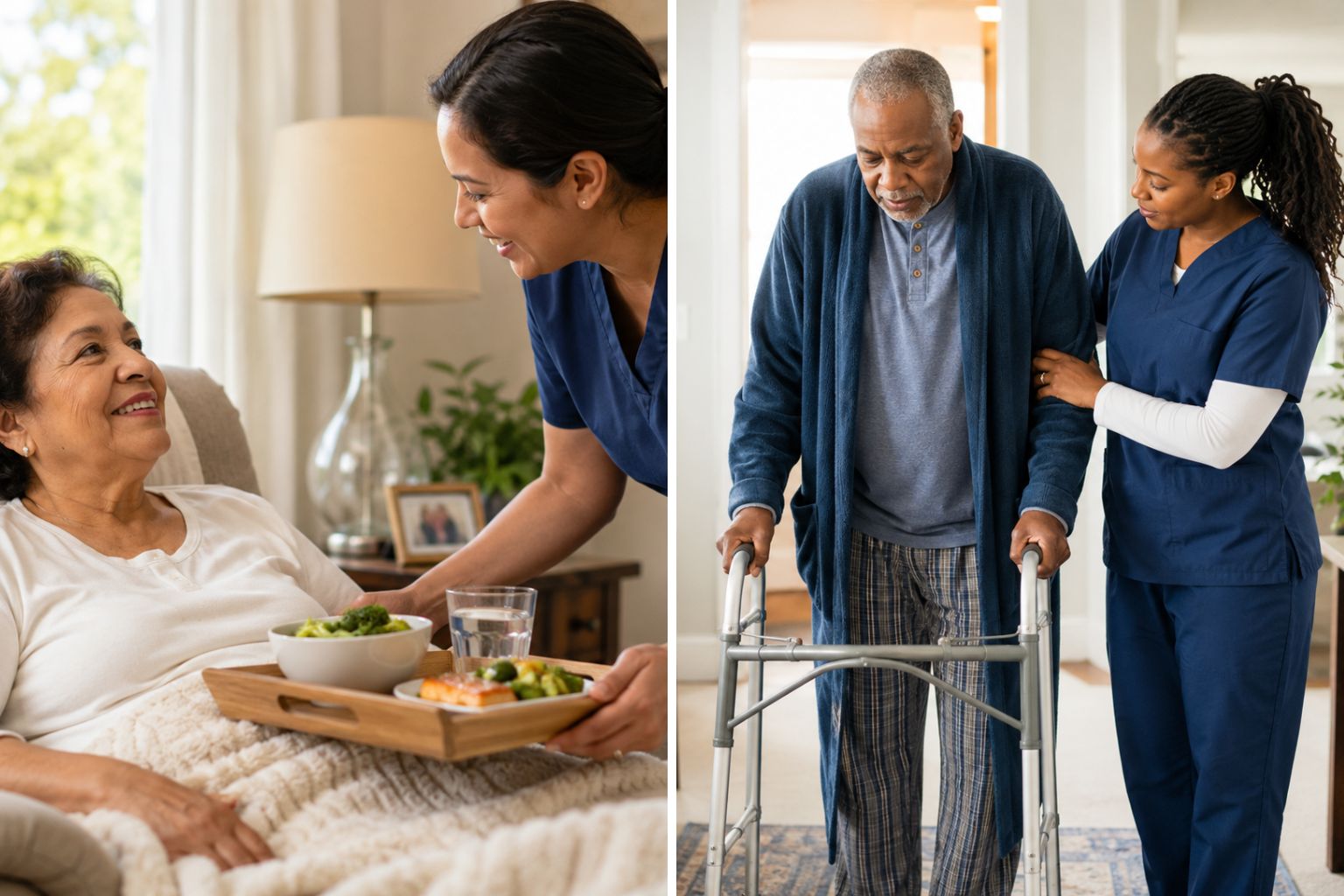
How Home Care Supports Recovery After Surgery
Assistance with Personal Care
After surgery, everyday tasks like bathing, dressing, grooming, or using the restroom may become difficult.
Caregivers can provide respectful assistance while helping seniors remain as independent as possible.
Mobility and Fall Prevention
Many surgeries temporarily affect balance and mobility.
A caregiver can help with:
- Walking safely around the home
- Getting in and out of bed
- Navigating stairs
- Reducing fall risks
- Encouraging safe movement
This support is especially valuable following orthopedic procedures such as knee or hip replacement surgery. Falls are a major concern for older adults, and the CDC notes that falls among adults 65 and older are common and often preventable.
Meal Preparation and Nutrition
Proper nutrition plays an important role in healing.
Caregivers can help by:
- Preparing nutritious meals
- Encouraging hydration
- Assisting with grocery shopping
- Following dietary recommendations provided by healthcare professionals
Having healthy meals readily available helps seniors maintain the energy their bodies need to recover.
Medication Reminders
Many seniors leave the hospital with temporary medications, antibiotics, or pain management instructions.
Professional caregivers can provide medication reminders to help clients stay on schedule according to their physician’s instructions.
Transportation to Follow-Up Appointments
Follow-up visits are an essential part of recovery.
When driving isn’t an option, caregivers can provide transportation or accompany clients to appointments, helping reduce missed visits and unnecessary stress.
Emotional Support During Recovery
Recovering from surgery can sometimes feel isolating.
Many older adults spend several weeks at home with limited mobility.
Companion caregivers can provide conversation, encouragement, and social interaction that helps reduce feelings of loneliness while supporting emotional well-being.
Signs a Loved One May Benefit from Post Surgery Home Care
Every recovery is different, but additional support may be helpful if your loved one:
- Lives alone
- Has limited mobility
- Has experienced previous falls
- Has multiple medical appointments
- Needs assistance with daily activities
- Has family members who live far away
- Feels anxious about recovering independently
Home care can be scheduled for only a few hours each week or for more comprehensive support depending on individual needs.
What Home Care Does Not Include
It’s important to understand that post surgery home care is non-medical.
Caregivers do not:
- Administer injections
- Perform wound care
- Provide skilled nursing services
- Change surgical dressings unless specifically permitted by state regulations and agency policies
- Give medical advice
Instead, caregivers work alongside healthcare providers by supporting the daily activities that make recovery safer and more comfortable.
Tips for Preparing a Home Before Surgery
Preparing ahead of time can make recovery easier.
Consider:
- Removing tripping hazards like loose rugs
- Keeping commonly used items within easy reach
- Installing grab bars if needed
- Preparing meals in advance
- Arranging transportation
- Scheduling home care before discharge
- Creating a comfortable recovery area on one level of the home if possible
MedlinePlus also recommends preparing the home before returning from the hospital, including items like grab bars, shower chairs, walkers, or reachers when needed.
Planning ahead often helps reduce stress for everyone involved.

Frequently Asked Questions About Post Surgery Home Care
How soon should home care begin after surgery?
Many families arrange care before hospital discharge so assistance is available immediately upon returning home.
Can home care help after joint replacement surgery?
Yes. Many seniors receive non-medical home care following knee, hip, or shoulder replacement surgery to assist with mobility, personal care, meals, and transportation.
Can post surgery home care help if family members are already involved?
Yes. Many families help after surgery, but professional caregivers can provide extra support when family members are working, caring for children, or unable to be there every day. Post surgery home care can help fill in the gaps with personal care, meal preparation, mobility support, companionship, and transportation to follow-up appointments.
How long do seniors typically need post surgery home care?
The length of care varies depending on the type of surgery, overall health, and physician recommendations. Some people need assistance for only a few days, while others benefit from several weeks of support.
Helping Seniors Recover Safely at Home
Recovering from surgery is often easier when seniors have the right support system in place. For many families, home care for seniors offers the extra help needed to make recovery at home feel safer and less overwhelming.
Post surgery home care provides compassionate, non-medical assistance that helps older adults remain safe, comfortable, and independent while healing at home. From meal preparation and personal care to companionship and transportation, caregivers can help reduce stress for both seniors and their families during recovery.
If your loved one is preparing for surgery or returning home after a hospital stay, planning ahead can make the transition smoother and provide peace of mind throughout the recovery process.
Trusted Home Care Services
At The Home Halo®, we are a trusted home care agency dedicated to providing non medical home care, companion care, and caregiver services that support independence, dignity, and comfort at home.