

As loved ones age, many families want them to stay safe, independent, and happy at home. Aging can bring challenges such as loneliness, difficulty completing daily tasks, and changes in memory or mobility. Companion care offers a way to support seniors without medical intervention, focusing on meaningful relationships, daily assistance, and emotional well-being. This type of care ensures seniors continue to enjoy life in the comfort of their own homes while families gain peace of mind.
This guide explains what companion care is, the services it includes, who benefits most, and how to choose the right provider for your family. With the right support, seniors can remain independent longer and continue to live fulfilling lives surrounded by familiar routines and environments.
What Is Companion Care for Seniors?
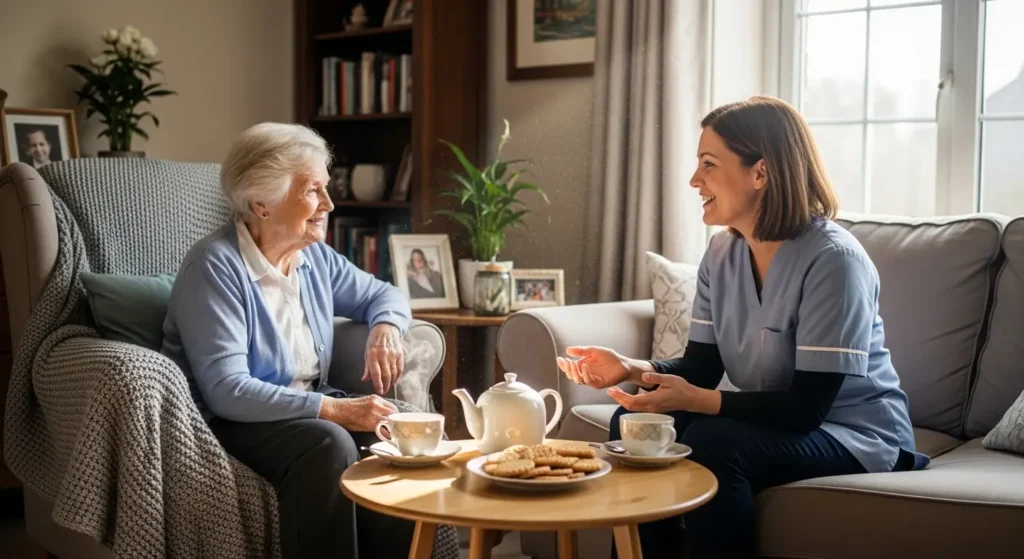
Companion care is a type of non-medical support that focuses on companionship, conversation, and emotional well-being. Its primary purpose is to help seniors maintain independence and enjoy daily life in the comfort of their own home. Unlike personal care or nursing services, companion care does not involve medical treatment, administering medications, or hands-on assistance with bathing or toileting. Instead, it provides a trusted presence that promotes safety, social engagement, and a higher quality of life.
A companion caregiver’s role goes beyond simply being in the room with the senior. They provide attention, encouragement, and engagement, helping seniors feel valued and connected. By fostering social interaction and offering assistance with routine tasks, companion care supports both the mental and emotional health of older adults. Companion care is particularly important for seniors who may live alone, have limited family support nearby, or are beginning to show signs of cognitive decline. Even small daily interactions can make a significant difference in reducing feelings of isolation, boosting mood, and creating a sense of purpose.
Services Included in Companion Care
At Home Halo, companion care includes a variety of supportive services designed to help seniors stay engaged, independent, and comfortable in their homes. Some of the key services include:
Friendly Emotional Care
Engaging with a caregiver provides seniors with someone to talk to, share stories, and express emotions. This interaction can help reduce feelings of loneliness and isolation.
Daily Routine Support
Caregivers can assist seniors in staying organized by reminding them of appointments, upcoming tasks, or daily activities following there daily routine.
Light meal preparation
Sharing meals or preparing simple meals together encourages proper nutrition and adds a social element to daily life.
Medication Reminders
Seniors receive gentle reminders to take medications at the correct times, promoting safety and consistency without involving medical tasks.
Transportation
Companion caregivers can provide rides or accompany seniors to medical appointments, shopping trips, or social activities, reducing stress for both seniors and families.
Social activities/Appointments
Caregivers help seniors maintain social connections by attending events, classes, or community gatherings.
Safety Monitoring
Being present allows caregivers to notice potential hazards, provide reassurance, and ensure seniors feel secure in their environment.
These services are tailored to each senior’s individual needs, creating a supportive environment that encourages independence, comfort, and daily engagement.
What It Does Not Cover
Companion care is intentionally non-medical and focuses on providing presence, emotional support, and help with daily routines. It does not include medical treatment, skilled nursing, or hands-on personal care tasks such as:
- Bathing and dressing
- Toileting or incontinence care
- Injections or administering medications
- Medical assessments or treatments
Clarifying these boundaries helps families understand what to expect and ensures seniors receive the appropriate type of care. It also helps establish trust between caregivers and seniors while allowing each party to know their role in maintaining safety, comfort, and well-being.
Companion Care vs. Personal Care: What’s the Difference?
While companion care emphasizes emotional support and social engagement, personal care focuses on hands-on assistance with daily living activities. The differences include:
- Level of Assistance: Companion care provides non-physical support such as reminders, companionship, and social engagement. Personal care includes assistance with hygiene, mobility, and other physical needs.
- Type of Caregiver: Companion caregivers focus on social and emotional support, while personal care aides provide practical assistance with daily living tasks.
- When to Use Each: Companion care is ideal for seniors who are independent but benefit from regular company and support with routines. Personal care is necessary for seniors who require help with bathing, dressing, mobility, or medical tasks.
- Transitioning: Some seniors begin with companion care to support emotional well-being and independence. As needs grow, families may transition to personal care to address more physical support requirements.
Understanding the distinction helps families make informed decisions and ensures seniors receive care that best matches their abilities and needs.
Who Needs Companion Care?
Companion care is particularly valuable for seniors who:
- Live alone or have limited social interaction.
- Experience loneliness or mild cognitive changes.
- Require help maintaining daily routines without medical intervention.
- Have families seeking reassurance that their loved ones are safe and supported.
Seniors who do not need medical care but benefit from regular presence and engagement gain the most from companion care. For example, a senior who enjoys reading or taking walks but feels isolated can benefit greatly from having a caregiver who provides company and encouragement. Companion care also benefits families by relieving stress, allowing them to balance responsibilities while ensuring their loved ones are supported and emotionally engaged.
Benefits of Companion Care

Companion care offers a wide range of advantages for both seniors and their families. Seniors benefit in the following ways:
- Reduced feelings of loneliness and isolation, which can improve mental health.
- Improved emotional well-being through regular social engagement and companionship.
- Encouragement to maintain daily routines and structure, promoting independence.
- Increased safety and monitoring at home, providing reassurance to both seniors and families.
For families, companion care provides relief by reducing the stress of providing constant care. Knowing that a trusted professional is present helps families feel confident that their loved one is safe and supported. Overall, companion care addresses both emotional and practical needs, enhancing the quality of life for seniors and peace of mind for their families.
Support for Aging in Place
Companion care allows seniors to remain independent at home for longer periods, supporting dignity and autonomy. Regular companionship can prevent unnecessary moves to assisted living or nursing facilities while enhancing overall quality of life. Seniors receive the help they need without feeling over-cared-for, allowing them to continue daily routines in a familiar environment.
By offering consistent support, caregivers can help seniors stay socially active, participate in activities they enjoy, and maintain confidence in their abilities. This type of care promotes comfort, safety, and a sense of control, which is essential for healthy aging in place.
When to Consider Companion Care for Seniors
Families may notice signs that a senior could benefit from companion care. These include:
- Withdrawing from social activities or spending most of the day alone.
- Missing meals or showing a lack of interest in eating.
- Demonstrating forgetfulness or mild memory loss.
- Expressing feelings of loneliness, anxiety, or sadness.
Families may also experience caregiver burnout when providing care alone. Recognizing these signs early allows families to introduce companion care before challenges increase. Early intervention can improve emotional well-being, maintain independence, and create a structured routine that benefits both seniors and their families.
Choosing the Right Companion Care
Selecting the right companion care provider is essential. Families should look for caregivers who are experienced, well-screened, and capable of providing personalized care. Key considerations include:
- Matching caregivers to seniors’ personalities, preferences, and daily routines.
- Flexible schedules that can adapt to changing needs.
- Clear communication with families to maintain trust and provide updates.
- Ensuring caregivers are trained to support emotional well-being and safety.
A quality companion care provider ensures that care feels natural, supportive, and safe, allowing seniors to thrive in their homes while families gain peace of mind.
Why In-Home Companion Care Benefits Seniors
Human connection is essential for a senior’s well-being. In-home companion care offers consistent friendship and engagement that occasional visits from family or friends cannot provide. Daily companionship improves mood, encourages activity, and supports overall quality of life. Seniors remain happy, safe, and independent while having a reliable caregiver available for conversation, support, and reassurance.
Caregivers can also motivate seniors to stay active, participate in hobbies, and maintain routines that keep the mind and body healthy. This type of support is particularly valuable for those who are socially isolated or transitioning to life with fewer family members nearby.
Companion Care with Home Halo
At The Home Halo, caregivers are carefully matched with seniors based on personality, preferences, and daily routines. Flexible in-home support ensures seniors feel comfortable and engaged. Families receive regular updates, which provide peace of mind and assurance that their loved one is safe and thriving.
Caregivers at The Home Halo focus on creating meaningful connections through conversation, companionship, and assistance with everyday routines. Seniors experience improved quality of life, emotional stability, and a greater sense of independence in their own homes.
Start Your Care Journey
Starting companion care is simple. Families schedule a consultation to discuss the senior’s needs and create a personalized care plan. During the first visit, caregivers are introduced, routines and schedules are established, and preferences are considered. This ensures seniors feel comfortable and supported from the beginning.
As care continues, plans can be adjusted to meet changing needs. This flexibility allows seniors to receive the exact support they require while maintaining independence and comfort. Families gain reassurance knowing that companion care is tailored, consistent, and responsive to their loved one’s well-being.
Conclusion
Companion care is ideal for seniors who need presence, support, and engagement without medical intervention. Families benefit from knowing their loved ones are safe, happy, and emotionally supported. Starting companion care early can prevent loneliness, maintain daily routines, and support independence. The Home Halo provides compassionate, personalized companion care to help seniors thrive in their own homes. With professional support and meaningful companionship, seniors can enjoy life fully while families gain peace of mind.
Frequently Asked Questions
Is companion care medical?
No, companion care is non-medical service and focuses on companionship, social interaction, and daily support.
How often can services be provided?
Schedules are flexible, ranging from a few hours a week to full-day support depending on the senior’s needs.
Can senior care schedules change?
Yes, care plans can be adjusted as the senior’s needs evolve.
Is companion care short-term or long-term?
It can be either, depending on the senior’s situation and family preferences.
How is companion care different from home health care?
Home health care provides medical and skilled services. Companion care focuses on emotional support, social engagement, and assistance with daily routines without medical intervention.