

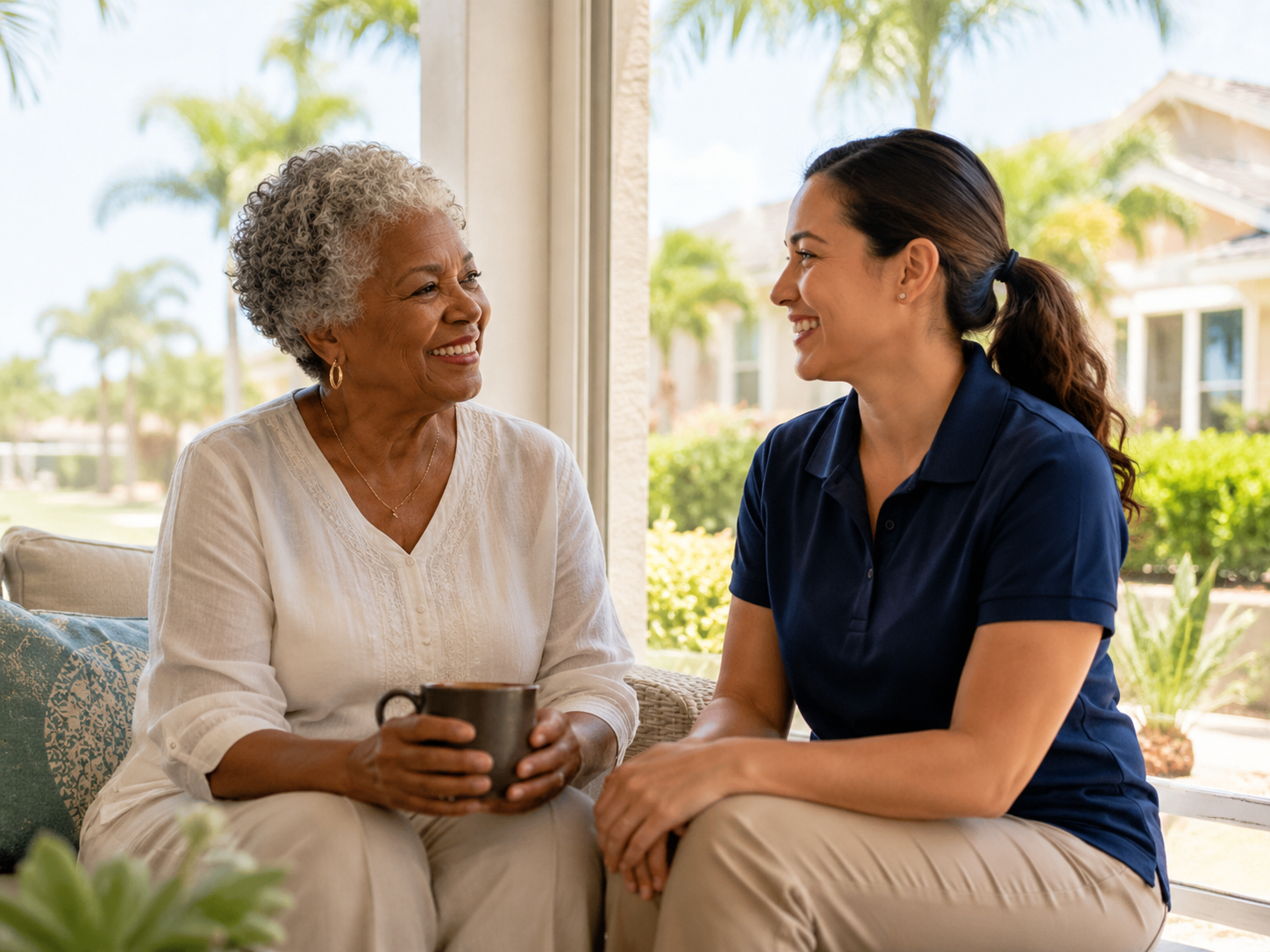
For many older adults, Palm Coast is more than a place to retire. It is home: the familiar streets, neighbors, routines, churches, parks and coastal surroundings that make everyday life feel comfortable. As needs change with age, however, families may begin searching for home care for seniors in Palm Coast, Florida so a parent, spouse or loved one can remain safely in that familiar environment.
Home care can provide practical, non-medical support with daily routines while helping seniors preserve independence, dignity and connection. Some families begin with companionship or a few hours of weekly assistance. Others need more consistent help with personal care, meals, household tasks, errands or support after a hospital stay.
This local guide explains what home care includes, when it may be helpful, how Palm Coast families can compare providers and which community resources may strengthen a senior’s support system.
What Is Home Care for Seniors in Palm Coast?
Home care is non-medical assistance delivered in a person’s home. Its purpose is to make daily life safer and more manageable without taking away the senior’s voice, preferences or independence. It differs from home health care, which involves skilled services such as nursing or therapy ordered as part of a medical plan.
A home care caregiver may assist with everyday activities, provide companionship and help a senior follow established routines. Care can often be scheduled for a few hours at a time, on selected days or more frequently as needs evolve.
Families who are still learning the basics may find it helpful to review Home Halo’s broader guide to home care for seniors and its overview of home care options in Florida.
In-Home Care for Seniors & Veterans
Compassionate, personalized in home care designed to help seniors live safely and independently in the comfort of home. Our trusted home care services provide daily support, companionship, and specialized senior home care giving families peace of mind every step of the way.
Why Palm Coast Families Consider In-Home Support
Palm Coast offers many qualities that support an active retirement, including a warm coastal setting, parks, trails and community programs. The city has also long attracted older residents; a City of Palm Coast retirement profile noted that adults age 65 and older made up a substantial share of the local population. That means many local families are navigating the same question: how can an older loved one continue living at home when daily tasks are becoming harder?
Aging in place may be especially meaningful for seniors who have built routines in communities such as Palm Harbor, Indian Trails, Pine Lakes, Belle Terre, Seminole Woods, Matanzas Woods, Cypress Knoll or Grand Haven. Remaining at home allows them to stay near neighbors, favorite stores, faith communities, physicians and the places that shape their daily lives.
At the same time, family caregivers often balance jobs, children, appointments and responsibilities of their own. Some adult children live elsewhere in Florida or out of state. Even relatives who live nearby may struggle to provide dependable support every day. Home care can fill specific gaps while allowing family members to remain involved as loved ones rather than carrying every caregiving task alone.
Signs It May Be Time to Explore Home Care
Families do not have to wait for a crisis before discussing support. In fact, planning earlier often gives a senior more time to participate in decisions and become comfortable with a caregiver.
Common signs that additional help may be useful include:
- Difficulty bathing, dressing, grooming or using the bathroom safely
- Changes in mobility, balance or confidence moving around the home
- Missed meals, spoiled groceries or noticeable changes in weight
- A cluttered home, unfinished laundry or household tasks that are piling up
- Missed appointments or confusion about normal routines
- Reduced social activity, loneliness or a loss of interest in favorite activities
- A recent fall, illness, surgery or hospital discharge
- Increasing stress, exhaustion or worry among family caregivers
- Family members making frequent emergency trips to handle preventable problems
One sign alone does not always mean a senior needs ongoing care. Look for patterns, changes from the person’s usual behavior and tasks that create a genuine safety or quality-of-life concern. A thoughtful conversation should focus on what support would make life easier, not on what the senior can no longer do.

Home Care Services Palm Coast Seniors May Use
A personalized care plan should reflect the senior’s current needs, preferences and routines. The exact services available depend on the provider and level of care, but non-medical home care commonly includes the following forms of support.
Companion Care and Social Connection
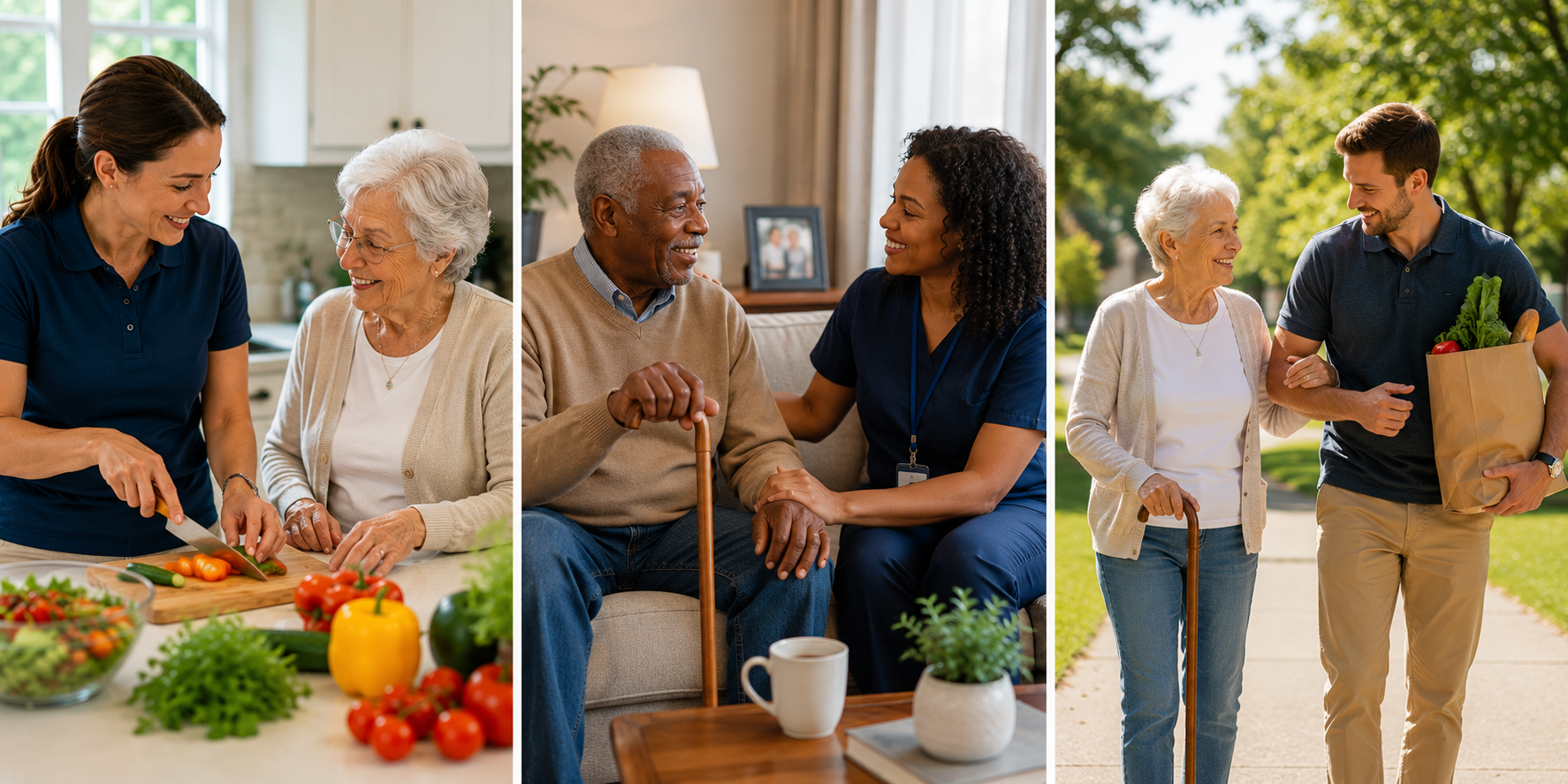
Companionship can include conversation, games, reading, walks, hobbies and help staying connected with family or community activities. This support matters for seniors who live alone, have stopped driving or spend long stretches of time without regular interaction. A caregiver’s consistent presence can also help families notice changes in mood, routine or comfort earlier.
Personal Care Assistance
Personal care supports activities of daily living such as bathing, dressing, grooming, toileting and mobility. The strongest caregivers provide this help patiently and respectfully, encouraging the senior to do as much as is safely possible. Families can learn more in Home Halo’s personal care assistance guide.
Meal Preparation and Hydration Support
A caregiver may help plan simple meals, prepare food, organize the kitchen and encourage regular hydration. This can be particularly helpful in Palm Coast’s hot and humid weather, when older adults need to pay close attention to fluids and heat exposure. Caregivers do not replace medical or dietary professionals, but they can help a senior follow an established meal plan and maintain a more consistent routine.
Medication Reminders
Non-medical caregivers may provide reminders and help keep an established schedule visible and organized. They do not prescribe medications or independently change dosages. For a deeper explanation of the caregiver’s role, see Home Halo’s guide to medication reminders for seniors.
Light Housekeeping and Home Management
Tasks such as laundry, dishes, changing bed linens, taking out trash and keeping walkways clear can help make the home more comfortable and reduce everyday hazards. Home care focuses on light household support connected to the senior’s well-being rather than heavy cleaning or home repair.
Errands and Transportation Assistance
Depending on the provider and care plan, support may include grocery shopping, essential errands or transportation to appointments and community activities. Reliable assistance can help seniors remain connected even after driving becomes difficult or unsafe.
Respite Care for Family Caregivers
Respite care gives a family caregiver scheduled time to work, rest, attend appointments or simply recharge. It can be used regularly or during a temporary period when a relative is traveling or unavailable. Respite is not a sign that a family caregiver is failing; it is one way to make caregiving more sustainable.
Support After a Hospital Stay or Surgery
A senior returning home may need temporary help with meals, mobility, personal care, errands and household routines. Non-medical support can complement discharge instructions and skilled services without replacing nursing, therapy or follow-up care. Families planning a transition home may also benefit from Home Halo’s post-surgery home care guide.
How Home Care Supports Aging in Place in Palm Coast
Aging in place means creating the right combination of support, safety and flexibility so an older adult can continue living at home. Home care is one part of that plan. Family involvement, medical care, community resources, home modifications and emergency preparation may also play important roles.
Maintaining Familiar Routines
Familiar routines can provide comfort and confidence, particularly when a senior is coping with physical changes or memory loss. A caregiver can work within the person’s preferred schedule for waking, meals, personal care, errands and activities instead of forcing the senior to adapt to a facility-wide routine.
Reducing Everyday Safety Risks
Caregivers can help keep frequently used areas organized, encourage the use of mobility aids as directed, provide standby assistance and report changes to the family. Families should also look at lighting, loose rugs, bathroom supports, entryways and other household features that could contribute to falls.
Supporting Community Connection
Living at home should not mean becoming isolated. Palm Coast’s parks, trails and recreation programs offer opportunities for appropriate activity and social connection. The Palm Coast Parks & Recreation Department offers programming for residents of different ages, while the Palm Coast Community Center hosts activities that include senior-focused options. A caregiver may help a senior prepare for or attend an activity when that service fits the care plan.
Planning for Florida Weather and Emergencies
Palm Coast families should include hurricane, power outage and heat planning in an aging-in-place strategy. Keep emergency contacts, medication lists, backup supplies and evacuation plans current. Flagler County offers ALERTFlagler emergency notifications and a Special Needs Registry for eligible residents who may require medical or transportation assistance during an evacuation. Families should confirm eligibility and register before an emergency occurs.
Local Palm Coast and Flagler County Resources for Seniors
Home care works best as part of a broader support network. Program details, eligibility and schedules can change, so families should contact each organization directly before making plans.
Flagler County Senior Services
Flagler County Senior Services provides or arranges services for county residents age 60 and older. Its resources include the Flagler County Senior Center, meals, activities, shopping trips and information about other support programs. The county also coordinates Meals on Wheels volunteer deliveries for eligible homebound seniors.
Flagler County Adult Day Care
The county’s Adult Day Care program offers supervised activities, socialization, meals and respite support for participating families. Adult day services may complement home care by creating structured daytime support.
Flagler County Public Transportation
Flagler County Public Transportation provides reservation-based transportation within the community. Families should review current eligibility, service area, booking hours, fares and scheduling requirements directly with the county.
Palm Coast Community Center
The Palm Coast Community Center serves residents across age groups and hosts recreation and social programs. The city has offered options such as Senior Social Corner and senior fitness activities; families should check the current activity guide for updated schedules and registration details.
Florida Elder Helpline and ElderSource
The Florida Department of Elder Affairs operates the Elder Helpline at 1-800-963-5337. The helpline connects older adults and caregivers with local programs, benefits information and long-term care resources. Northeast Florida is served by ElderSource, the region’s Aging and Disability Resource Center.
Trusted Home Care Services
At The Home Halo®, we are a trusted home care agency dedicated to providing non medical home care, companion care, and caregiver services that support independence, dignity, and comfort at home.
How to Choose a Home Care Provider in Palm Coast
The right provider should make both the senior and family feel heard, informed and respected. Before selecting an agency, schedule a consultation and ask specific questions about how care works in practice.
Questions to ask include:
- Is the provider appropriately licensed or registered for the services it offers in Florida?
- How are caregivers screened, trained, supervised and matched with clients?
- Are caregivers employees of the agency or independent contractors?
- How does the agency create and update the care plan?
- Who should the family contact with questions or changes?
- How does the agency communicate after each shift or when concerns arise?
- What happens if the regular caregiver is unavailable?
- Can the schedule increase, decrease or change as needs evolve?
- Which services are included, and which tasks fall outside the caregiver’s role?
- What are the rates, minimum shift requirements, cancellation policies and payment options?
Florida’s Agency for Health Care Administration regulates several types of in-home service providers. Families can use FloridaHealthFinder.gov and AHCA consumer resources to research regulated providers and available public information. Licensing is an important starting point, but families should also consider responsiveness, caregiver consistency, communication and whether the agency’s approach fits the senior’s personality and goals.
How Much Does Home Care Cost in Palm Coast?
Home care pricing varies based on the number of hours, schedule, level of assistance, caregiver availability and provider policies. Weekend, overnight or holiday care may be priced differently. Rather than comparing only an hourly rate, ask each provider for a written explanation of minimum hours, added fees, cancellation rules and what the quoted rate includes.
Many families pay privately, while some use long-term care insurance or eligible veterans benefits. Florida Medicaid long-term care programs may help certain individuals who meet financial and care-level requirements. Original Medicare generally does not pay for ongoing non-medical custodial care when that is the only care a person needs. Because coverage varies, families should confirm benefits directly with the insurer, program administrator or qualified benefits counselor.
A flexible starting schedule can help families control costs while addressing the most important needs first. For example, a family might begin with support around bathing, meals and errands, then adjust the plan after seeing how the senior responds.
Talking With a Parent About Accepting Help
Many seniors hear the phrase “home care” and worry that they are losing control. The conversation often goes better when family members focus on the senior’s goals rather than listing problems.
Instead of saying, “You cannot manage on your own anymore,” try: “We want to make it easier for you to stay in your home and keep doing the things that matter to you.” Offer choices whenever possible, such as preferred days, tasks, caregiver qualities and which routine should receive help first.
A short trial period may feel less overwhelming than an open-ended commitment. Once the senior experiences reliable help with a frustrating task, resistance often decreases. Continue asking for feedback and involve the senior in decisions as the care plan changes.
Frequently Asked Questions About Home Care in Palm Coast
What is the difference between home care and home health care?
Home care provides non-medical support with daily routines, companionship, personal care and household tasks. Home health care provides skilled clinical services, such as nursing or therapy, under a medical plan. Some seniors use both services at the same time for different needs.
Can home care start with only a few hours each week?
Often, yes. Availability and minimum shift requirements vary by provider, but many families begin with part-time support and adjust the schedule as needs change.
Can a caregiver help a senior who lives alone?
Yes. Home care can provide regular companionship, support with daily tasks and another consistent point of contact. However, scheduled visits are not the same as continuous supervision or emergency response. The care plan should match the senior’s actual safety needs.
Does Medicare pay for non-medical home care?
Original Medicare generally does not cover ongoing custodial or personal care when that is the only care needed. It may cover qualifying skilled home health services under specific conditions. Medicaid, long-term care insurance and certain veterans programs may offer support for eligible individuals.
Can home care help after a hospitalization?
Yes. Non-medical caregivers can help with meals, personal routines, light housekeeping, errands and mobility support while the senior recovers. They should follow the discharge plan and communicate concerns to the family, but they do not replace nurses, therapists or physicians.
How quickly can home care begin in Palm Coast?
The timeline depends on the provider, requested schedule, assessment process and caregiver availability. Families with an upcoming surgery or discharge should contact agencies as early as possible so there is time to develop the plan and find an appropriate caregiver match.
Can the care plan change over time?
Yes. A strong provider should review care needs and adjust services when a senior’s routines, health status, family support or schedule changes.
Local Home Care for Palm Coast Seniors and Families
Choosing care for someone you love can feel personal and complicated. The goal is not simply to complete a list of tasks. It is to create dependable support that helps the senior feel safe, respected and at home.
Home Halo’s Northeast Florida office is based in Palm Coast and serves families throughout Flagler County and the surrounding region. Our caregivers provide compassionate, personalized non-medical support designed around each client’s routines, preferences and changing needs.
Whether your family is considering companionship, personal care, respite support, help around the home or a safer transition after hospitalization, our team can help you understand the available options. Learn more about Home Halo’s Northeast Florida services or request a consultation to begin a conversation about care for your loved one.
Trusted Home Care Services for Seniors & Families
Finding the right home care services for seniors and elderly loved ones can be overwhelming. We make it simple by connecting families with compassionate and reliable in-home care solutions tailored to individual needs.