


As your loved one gets older, you may start noticing small changes that didn’t seem important at first. Maybe they forget things more often, struggle with daily tasks, or seem less active than before. These small changes can be easy to overlook, but they often build up over time. It’s natural to wonder whether they need extra support to stay safe, healthy, and independent. While some changes are a normal part of aging, others may be early signs that home care could make a real difference.
Contact a trusted home care provider in your area and find out how in-home senior care can bring your whole family more peace of mind.
Why Recognizing the Signs Early Matters
Most families wait too long when they notice something is wrong but convince themselves it is just a rough week, or that bringing up home care will upset the whole family. By the time they act, the situation has often gotten harder to manage. Catching the signs early matters for several reasons.
First, it keeps your loved one safer. Falls, medication mistakes, and poor nutrition can lead to serious health problems that could have been prevented with a little extra help. Second, early support actually helps seniors keep their independence longer. A home care assistant coming in a few hours a day means your loved one stays in their own home, on their own terms. Third, it protects you. Family caregivers who try to do everything themselves often end up physically exhausted and emotionally drained before they ask for help.
Clear Signs Your Elderly Loved One May Need Home Care
Small, everyday changes in health, behavior, or daily routines can be early signs that your elderly loved one may need extra support at home.
Difficulty with Daily Activities
You notice the dishes are piling up and the laundry has not been done in weeks. Your dad used to make breakfast every morning and now the kitchen looks untouched. When an older adult starts struggling with bathing, dressing, cooking, and cleaning, it is one of the earliest signs that extra help is needed. It means something is quietly making these things harder than they used to be.
Declining Personal Hygiene
This one is hard to bring up. But it is too important to ignore. Strong body odor, unwashed hair, overgrown nails, or wearing the same clothes every visit are signs to take seriously. Depression, mobility problems, or early cognitive decline can all make basic self-care feel impossible. Something is getting in the way and it needs attention before it gets worse.
Changes in Eating Habits or Weight
The fridge is nearly empty and there is expired food on the shelf. They have lost weight but nobody quite noticed when it started. When meals are being missed regularly or weight is dropping noticeably, the immune system weakens, energy drops, and health declines faster than it should.
Mobility Issues or Frequent Falls
They grab the wall when they walk. Getting up from the chair takes a long pause. Maybe they have already fallen once and ignored it. Falls are one of the leading causes of serious injury in older adults. A caregiver helps with safe movement, watches for risks like loose rugs and poor lighting, and makes sure someone is always there when it is needed most.
Memory Loss or Confusion
They asked you the same question three times in one conversation. They forgot an appointment they had written down. They get confused about what day or month it is. Regularly forgetting important events, getting lost in familiar places, or showing real confusion about time are serious red flags. Missed bill payments and stacks of unopened mail are also quiet warning signs worth paying attention to.
Problems Managing Medication
The pill bottle is still full and it should not be. Or it is empty too soon. Nobody is sure which formula was taken today. A missed dose, a double dose, or mixing up drugs can lead to a medical emergency very quickly. A home care professional can provide simple medication reminders that keep everything on track.
Neglected Home Environment
The home that was always clean now has clutter in every corner. Dirty dishes sitting for days and unopened mail stacking up on the table. Unpaid bills, late notices, and overflowing trash all point to a loved one struggling to keep up. This is usually a sign of physical limitations or cognitive changes quietly affecting their ability to stay organized.
Social Withdrawal or Isolation
They stopped going to their weekly group. They rarely pick up the phone. Old friends mention they have not heard from them in a long time. Social withdrawal is closely linked to depression and faster cognitive decline. When a senior pulls away from people they once loved, it often means they are struggling with something they have not said out loud yet. A home care aide brings real human connection, and for many seniors that is exactly what is missing.
Emotional or Behavioral Changes
They used to be calm and easy to talk to. Lately they seem anxious, short tempered. Mood changes are easy to dismiss as just getting older. But they are often connected to unreported pain, depression, or medication side effects. Consistent support and a caring presence can make a meaningful difference in how your loved one feels day to day.
Caregiver Burnout (You Feel Overwhelmed)
Over 60% of family caregivers experience burnout at some point. It is not a personal failure. It is what happens when one person absorbs too much for too long without support. Recognizing that you need help is one of the most honest and loving things you can do for both of you.
What Is Considered Normal Aging vs. a Warning Sign?
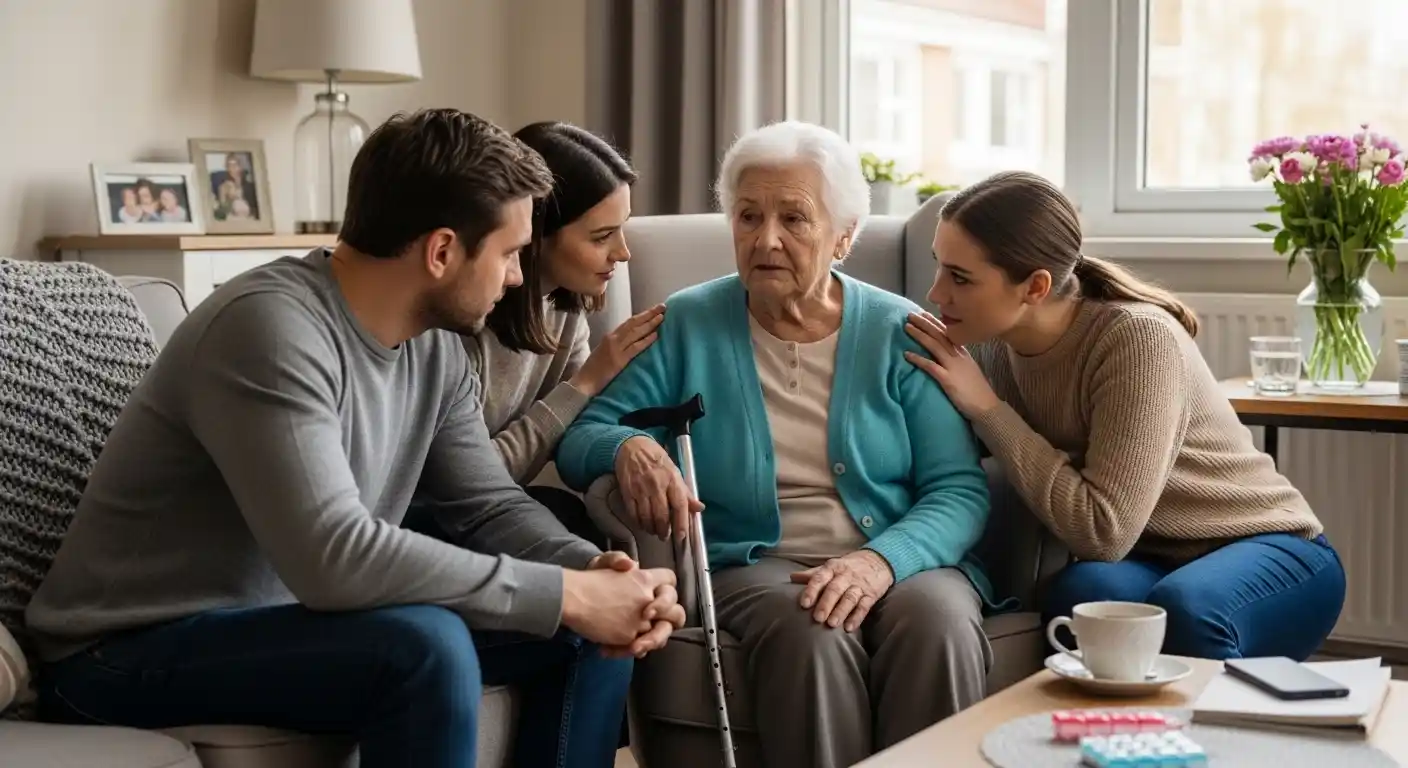
Not every change means something is wrong. But not every change should be ignored either.
- Memory is one of the most common areas families worry about. Forgetting entire conversations, getting lost on a street they have driven down for twenty years, or not recognizing a close family member is not.
- Movement and mobility naturally slow down with age. Taking a little longer to get up or choosing not to run up the stairs anymore is expected. Needing to grip the wall just to walk across the room, or having already fallen once is a warning sign that needs real attention.
- Energy and sleep also change with age. Feeling tired after a full, busy day is completely normal. Feeling exhausted every single morning even after a full night of sleep points to something that deserves a closer look.
- Mood and personality shift slightly over time too. Being a little quieter or more private than they were at fifty is not unusual. But sudden anxiety or angry outbursts that are completely out of character are signs that something deeper is going on.
When Is It Time to Consider Professional Home Care?
There is no single moment that flips the switch. But there are three situations where professional home care stops being something to think about and starts being something to act on.
When safety becomes a real concern
This is the clearest line. If your loved one is falling, leaving the stove on, missing medications, wandering, or living in conditions that put their health at risk, the situation has already moved past what love and good intentions alone can fix. No family member can be there every hour of every day. A professional caregiver can.
When daily tasks are no longer manageable
There is a difference between needing a little help and genuinely not being able to cope. When your loved one cannot consistently feed themselves, keep themselves clean, manage their medications, or maintain a safe living environment, that gap needs to be filled by someone trained to fill it.
When the emotional toll on your family is too high
You matter in this equation too. If you are canceling your own medical appointments to manage theirs, if your relationship with your partner or your children is suffering, if you are running on fear and exhaustion instead of genuine care, that is not sustainable. And an unsustainable situation eventually collapses, usually at the worst possible moment.
When your loved one’s world is getting smaller
If they have stopped leaving the house, stopped talking to friends, stopped doing the things that used to bring them joy, and it is because they physically or emotionally cannot manage anymore, that is a quality of life issue. Professional home care does not just keep people safe. It helps them actually live.
How to Talk to Your Loved One About Home Care

This conversation is hard. Many seniors hear the words “home care” and immediately think it means losing control of their life. Your job is to show them it means the opposite.
Pick the right moment
Do not bring this up right after a fall, right after a difficult visit, or in the middle of an argument. Find a calm, quiet time when your loved one is rested and comfortable. A Sunday afternoon. A slow morning over coffee. A moment when they feel like themselves, not like they are already on the back foot.
Lead with love, not logic
The worst way to start this conversation is with a list of everything that has been going wrong. Nobody wants to sit across from someone they love and hear all the ways they are failing. Instead, lead with how you feel. “I worry when I am not here.” “I want to make sure you are okay.” “I just want you to have more support so you can keep living the way you want to.” That lands very differently than “You cannot manage on your own anymore.”
Involve them in every decision
Do not arrive with a plan already made. Arrive with a conversation. Ask them what they would feel comfortable with. Let them help choose the agency. Let them decide which tasks they want help with and which ones they want to keep doing themselves. The more ownership they feel over the process, the less threatening it becomes.
Be patient with the pushback
They might say no the first time. They might get upset. They might tell you they are fine and they do not need anyone coming into their home. That is okay. Plant the seed and give it time. Come back to it gently a week later. Share a story you read. Ask how they have been feeling. Keep the door open without pushing it off its hinges.
Do not make it a one-time conversation
This is not a talk you have once and then consider done. It is an ongoing dialogue that grows and shifts as their needs change. The families who handle this best are the ones who keep talking, keep listening, and keep adjusting together.
Care Needs Assessment: What to Expect
A care needs assessment is a structured review of what your loved one can and cannot do on their own. It looks at physical health, cognitive function, emotional wellbeing, and living environment. During the assessment, a care coordinator or qualified professional will typically ask about daily routines, medical history, current medications, mobility, nutrition, and social connections. The result is a personalized care plan that outlines what kind of support is needed, how often, and at what times they give families a clear, honest picture of where things stand, which often brings real relief after weeks or months of uncertainty.
Give Your Loved One the Right Support at Home Start Here
If you’re starting to notice changes in your elderly loved one’s daily routine, health, or ability to manage at home, it may be time to consider extra support. Home care can help them stay safe, comfortable, and independent in familiar surroundings while giving your family peace of mind.
At The Home Halo, we provide trusted home care services across Iowa, Wisconsin, New Mexico, Colorado, Massachusetts, Idaho, as well as select areas like Plano, Texas and Northeast Florida. If you want to get our services book a consultation our team is here to guide you in understanding your loved one’s needs and help you choose the right level of care.
Conclusion
Watching someone you love get older is hard. You want to protect them, get it right, and somehow manage your own life at the same time. You are not failing your loved one by asking whether they need help. You are paying attention. That is exactly what love looks like. Home care is not the end of independence. For most seniors, it is what makes independence possible. You do not have to have everything figured out before you take the first step. You just have to take it.
Frequently Asked Question
Which of the following is a warning sign that your elderly loved one may need home care?
A warning sign is anything that keeps happening and starts affecting how safely your loved one is living. Wearing the same clothes for days, missing meals, or struggling to walk are not just bad days. They are patterns.
What is the difference between normal aging and a warning sign?
Normal aging is slow and mild. A warning sign gets worse over time and affects safety. Forgetting a name and remembering it later is normal. Forgetting entire conversations is not.
When should a family seriously consider professional home care?
When safety is at risk, daily tasks are unmanageable, and the caregiver is running on empty. You do not need to wait for a fall or emergency. By the time things feel urgent, the right time to start was already weeks ago.
What does a care needs assessment do?
It takes the guesswork out of a hard decision. It reviews your loved one’s physical and emotional needs and turns them into a personalized care plan that tells you exactly what needs to happen next.
What is caregiver burnout and why does it matter?
It is what happens when one person absorbs too much for too long. Exhaustion and constant worry build slowly. Over 60% of caregivers experience it. When the caregiver is empty the quality of care suffers too.