
Companion Care for Seniors in Wisconsin: Supporting Connection, Independence and Quality of Life
June 30, 2026
As seniors across Wisconsin choose to age in place, many families begin looking for ways to help loved ones stay socially connected, active and engaged in everyday life. While many older adults remain independent, changes in health, mobility or life circumstances can make it more difficult to participate in the activities and relationships that bring them joy.
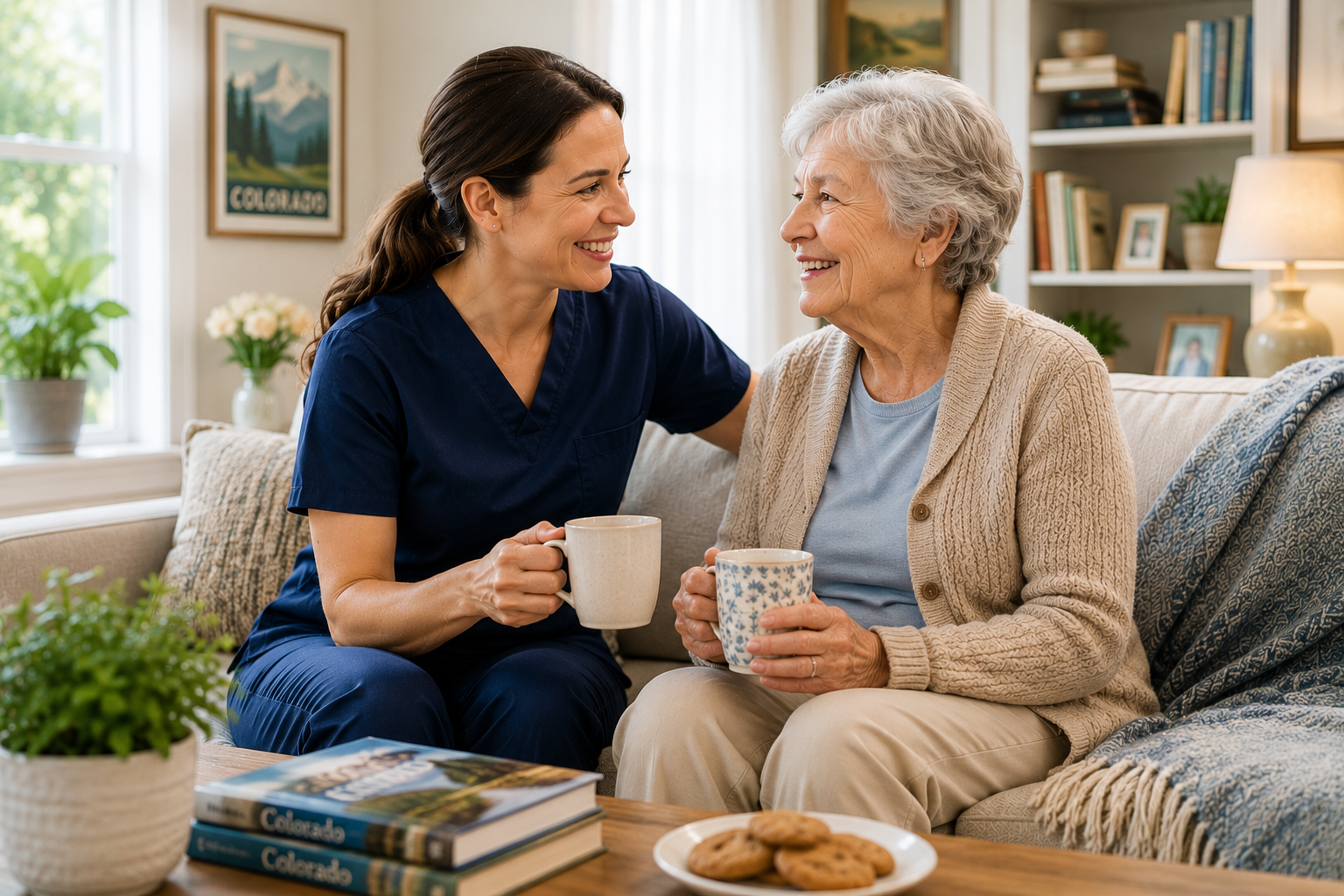
Companion care provides Wisconsin seniors with meaningful social interaction, emotional support and everyday assistance while helping them remain independent in the comfort of home. Whether sharing conversations, enjoying hobbies, attending appointments or simply spending time together, companion care focuses on improving quality of life through genuine connection and companionship.
For families throughout Wisconsin, companion care offers peace of mind knowing their loved one has consistent support, meaningful social engagement and a trusted companion while continuing to age in place, safely and comfortably at home.
What Is Companion Care?
Companion care is a form of non-medical home care that provides social interaction, emotional support and assistance with everyday routines. Throughout Wisconsin, companion care helps older adults remain engaged, connected and independent while continuing to live safely in the homes and communities they know and love.
Companion caregivers often provide support through:
- Conversation and companionship
- Playing games or enjoying hobbies together
- Sharing meals
- Accompanying seniors on walks or outings
- Transportation assistance
- Running errands
- Light housekeeping
- Meal preparation
- Medication reminders
- Emotional support and encouragement
Every senior’s needs are different, and companion care services can often be tailored to fit individual preferences and routines.
What Companion Care Does and Does Not Include
Companion care is designed to provide social interaction, emotional support and assistance with everyday routines. However, it is important to understand that companion care is considered non-medical home care.
Companion caregivers do not provide skilled nursing services, administer medications or make medical decisions. Instead, they focus on helping seniors remain engaged, connected and supported throughout daily life.
This distinction allows seniors to receive meaningful support while continuing to work closely with healthcare professionals for medical needs.
In-Home Care for Seniors & Veterans
Compassionate, personalized in home care designed to help seniors live safely and independently in the comfort of home. Our trusted home care services provide daily support, companionship, and specialized senior home care giving families peace of mind every step of the way.
Book A ConsultationWhy Social Connection Matters for Seniors
Social interaction plays an important role in overall well-being. Strong social connections can contribute to emotional health, cognitive engagement and a greater sense of purpose.
Unfortunately, many older adults experience loneliness as they age. Retirement, mobility challenges, health concerns or the loss of friends and spouses can reduce opportunities for regular social interaction.
Companion care helps address these challenges by providing consistent engagement and meaningful relationships that support a senior’s emotional well-being and quality of life.
Human Connection Plays an Important Role in Healthy Aging
As Wisconsin seniors age, maintaining strong social connections becomes increasingly important. Meaningful conversations, shared experiences and regular interaction provide a sense of purpose and belonging that contributes to overall well-being.
Even seniors who are physically independent may benefit from companionship and emotional support. Having someone to talk with, share meals with or participate in activities with can make everyday life more enjoyable and help older adults maintain confidence and engagement.
For many seniors, companion care provides consistency and reassurance that someone is available to offer encouragement and meaningful interaction throughout the week.
Companion Care Supports Seniors Throughout Wisconsin
Wisconsin offers vibrant cities, welcoming small towns and close-knit communities, but many older adults still experience loneliness as mobility changes, family members move away or daily routines become more limited. Companion care helps seniors remain socially connected by providing regular visits, meaningful conversation and encouragement to stay involved in favorite activities. Whether someone lives in Milwaukee, Madison, Green Bay, Eau Claire or a rural Wisconsin community, companion care helps older adults continue enjoying life while maintaining their independence.
The Importance of Emotional Well-Being for Seniors
Healthy aging involves more than physical health. For older adults throughout Wisconsin, emotional well-being plays an important role in maintaining confidence, independence and overall quality of life. Regular companionship helps reduce feelings of loneliness while encouraging seniors to stay engaged in daily life.
Many seniors experience major life transitions such as retirement, the loss of friends or family members, or reduced mobility. These changes can affect emotional health and make social interaction increasingly important.
Having someone to talk with, laugh with and share daily experiences with can provide reassurance and encouragement. For many older adults, companionship creates a sense of normalcy and consistency that supports emotional wellness and promotes a positive outlook.
Companion care helps provide those connections while encouraging seniors to remain involved in the activities and relationships that bring meaning to everyday life.
The Effects of Isolation and Loneliness
Loneliness affects more than emotions. Social isolation can influence a senior’s overall health and quality of life.
Some effects of isolation may include:
- Increased feelings of anxiety or sadness
- Reduced motivation
- Difficulty maintaining daily routines
- Increased stress
- Reduced physical activity
- Withdrawal from hobbies and community activities
Recognizing the effects of isolation early can help families address concerns before they begin affecting a senior’s overall well-being.
Signs a Senior May Benefit from Companion Care
Every senior’s situation is unique, but several signs may indicate that additional companionship and support would be beneficial.
Increased Isolation
Seniors who spend most of their time alone may benefit from regular social interaction and meaningful engagement.
Companion care provides consistent conversation, emotional support and encouragement that helps seniors remain connected and engaged. Regular visits and meaningful relationships can help reduce feelings of loneliness while promoting a greater sense of purpose and overall well-being.
Loss of Interest in Favorite Activities
A decline in hobbies or social activities may indicate feelings of loneliness or reduced motivation.
Companion caregivers can help reintroduce favorite hobbies and encourage seniors to remain involved in activities they enjoy. Whether working on puzzles, taking walks, attending events or simply sharing a meal together, meaningful engagement can help seniors rediscover routines and interests that contribute to a higher quality of life.
Recent Loss of a Spouse or Close Friend
The loss of a spouse or close friend often creates significant changes in a senior’s daily routine. Activities that were once shared with another person may suddenly become difficult or less enjoyable.
Companion care can provide emotional support and encouragement during these transitions while helping seniors maintain social interaction and continue participating in meaningful activities.
Difficulty Getting Out of the House
Mobility limitations or transportation concerns can make it difficult for seniors to remain socially connected.
Companion care can help seniors remain engaged by providing transportation assistance, accompanying them on outings and encouraging participation in community activities. Whether attending appointments, running errands or visiting family and friends, having support available can help older adults maintain independence while continuing to enjoy meaningful experiences outside the home.
Family Caregivers Living Far Away
Many adult children live in another city or state and may not be able to visit regularly. Companion care can provide reassurance that someone is checking in consistently while helping seniors remain active and connected.
For long-distance family caregivers, knowing a trusted companion is available can provide valuable peace of mind.
Companion Care Can Benefit More Than Seniors Living Alone
While companion care is often associated with seniors who live alone, many Wisconsin families discover these services are valuable in a variety of situations. Some older adults live with a spouse who also needs support, while others have family members nearby who balance caregiving with work and other responsibilities.
Some seniors live with a spouse who is unable to provide support due to health challenges of their own. Others may have family members nearby who work full-time or balance caregiving with other responsibilities.
Companion care can provide additional support, social interaction and consistency that helps seniors remain engaged while also giving family caregivers peace of mind.
Even older adults who remain highly independent may benefit from occasional visits and meaningful social interaction that helps maintain routines and quality of life.
Trusted Home Care Services
At The Home Halo®, we are a trusted home care agency dedicated to providing non medical home care, companion care, and caregiver services that support independence, dignity, and comfort at home.
Contact UsCommon Activities Companion Caregivers Provide
Companion care is about more than simply being present. Caregivers often help seniors stay engaged and active through meaningful activities.
These activities may include:
Conversation and Social Interaction
Meaningful conversations help reduce loneliness and provide emotional support.
Sharing Meals
Mealtime companionship can encourage healthy eating habits and create opportunities for social interaction.
Games, Hobbies and Favorite Activities
Whether enjoying puzzles, gardening, crafts, reading or favorite television programs, shared activities help seniors remain mentally engaged.
Walks and Light Exercise
Physical activity and fresh air can contribute to overall health while providing opportunities for conversation and companionship.
Transportation and Community Involvement
Companion caregivers can help seniors attend appointments, run errands, visit friends or participate in community events.
Accompanying Seniors to Appointments and Errands
Many seniors appreciate having someone accompany them to appointments, grocery stores or community activities. Companion caregivers can provide encouragement and support while helping older adults remain active and engaged.
Encouraging Healthy Daily Routines
Companion caregivers often help seniors maintain routines related to meals, hydration, light exercise and social activities. These routines can help older adults feel more confident while supporting overall well-being.
Trusted Home Care Services for Seniors & Families
Finding the right home care services for seniors and elderly loved ones can be overwhelming. We make it simple by connecting families with compassionate and reliable in-home care solutions tailored to individual needs.
Book A Consultation