
What Is Personal Care Assistance? A Complete Guide for Families
March 12, 2026
If you have been searching for in-home help for seniors and feeling overwhelmed by all the options out there, you are in the right place. This guide is going to break everything down for you in simple, plain language so you can make a confident decision for your loved one.
More and more families today are choosing to keep their aging parents at home rather than moving them into a facility. And honestly, it makes a lot of sense. Home is where people feel most comfortable. It is where their routines live, where their memories are, and where they feel most like themselves. Personal care assistance makes it possible for seniors to stay in that familiar space safely and comfortably.
At Home Halo, we provide compassionate non-medical in-home care for seniors built around each person’s unique needs. Our caregivers are vetted employees, not contractors, and every care plan is personalized from day one. This guide will walk you through everything you need to know about personal care assistance so you can decide if it is the right fit for your family.
What Is Personal Care Assistance?
Personal care assistance is non-medical support that helps seniors and individuals with disabilities manage their daily activities at home. It covers the everyday tasks that most of us take for granted, like getting dressed in the morning, preparing a meal, or moving safely from one room to another.
A personal care aide (PCA) is not the same as a home health aide. A home health aide provides medically-oriented care under the supervision of a nurse or therapist. They can handle wound care, administer medications, or monitor specific medical conditions. A personal care aide focuses on daily living support, not medical treatment. Think of it this way: a home health aide handles your parent’s health, while a personal care aide helps your parents live their everyday life with comfort and dignity.
Non-medical in-home help fits into senior care as the foundational layer of support. It is often the first type of care families bring in, and it can be incredibly effective at keeping seniors safe, healthy, and happy at home for much longer than they could manage on their own.
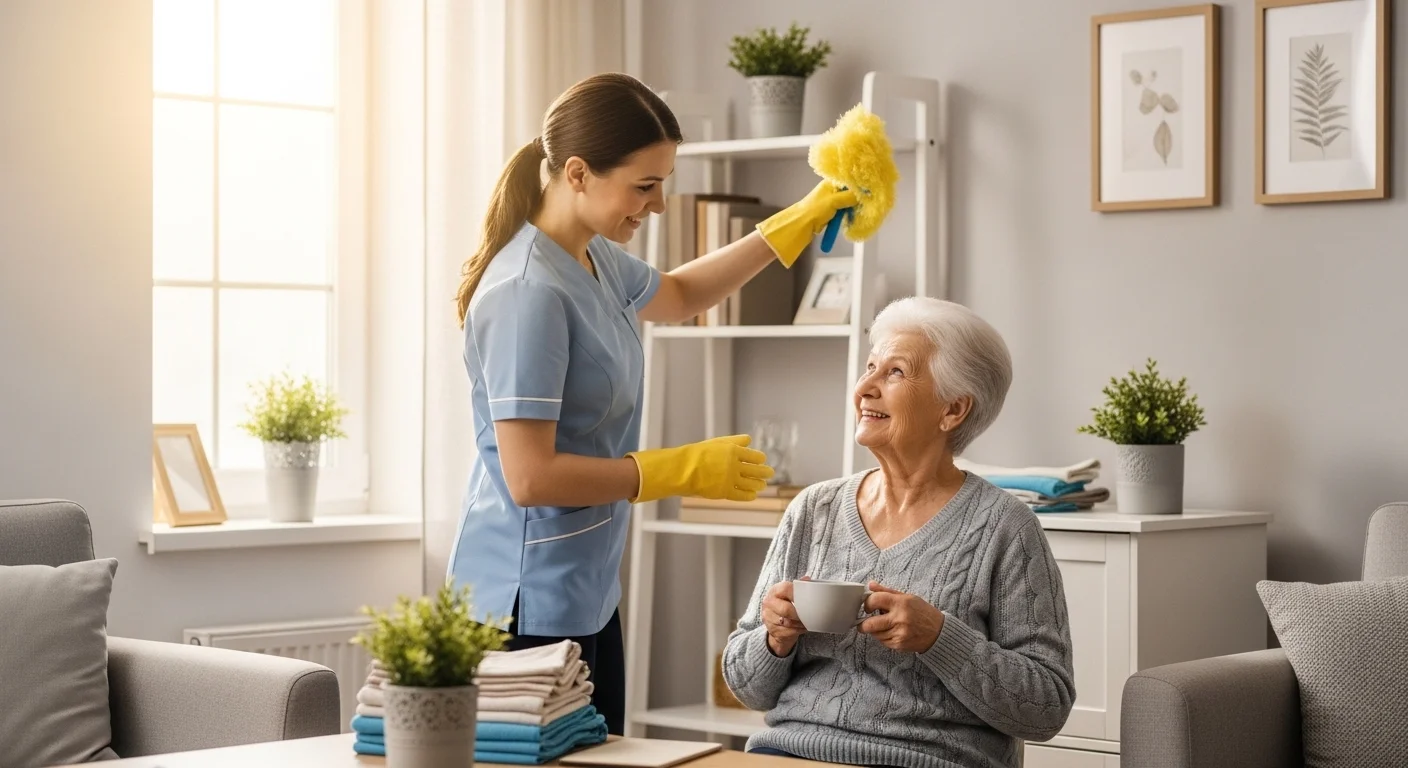
Examples of what personal care assistance covers include help with bathing, grooming, meal preparation, light housekeeping, medication reminders, and companionship. We will go through all of this in detail in the sections below.
Who Can Benefit From Personal Care Assistance?
Personal care assistance is not just for people who are seriously ill or completely unable to care for themselves. Many of the seniors who benefit most from this kind of in-home help are still largely independent. They just need a little support in certain areas to stay safe and comfortable.
Personal care assistance is a good fit for:
- Seniors living alone who could use an extra set of hands and a friendly face each day
- People recovering from surgery, a stroke, or a serious illness who need short-term or long-term support
- Seniors managing chronic conditions like arthritis, diabetes, or heart disease
- Individuals with mobility challenges who need help moving safely around their home
- Those experiencing early memory loss or cognitive decline who need reminders and gentle supervision
- Family caregivers who are stretched thin and need reliable respite support
The overall benefits go beyond just safety. Seniors who receive regular personal care assistance tend to have better nutrition, better hygiene, stronger emotional well-being, and a lower risk of falls or hospitalizations. For family members, knowing someone capable and caring is with their loved one brings a level of peace of mind that is hard to put a price on.
Common Personal Care Needs for Seniors
When people talk about personal care needs, they usually fall into two categories. Activities of Daily Living, which are commonly called ADLs, and Instrumental Activities of Daily Living, known as IADLs. Understanding this distinction helps families figure out exactly what kind of support their loved one actually needs.
Activities of Daily Living (ADLs)
These are the basic self-care tasks that people do every day:
- Bathing and showering safely
- Getting dressed and undressed
- Grooming including hair, oral hygiene, and skin care
- Toileting and continence support
- Mobility assistance and safe transfers from bed to chair or chair to standing
Instrumental Activities of Daily Living (IADLs)
These are the tasks that keep a household running and help seniors stay connected to the world:
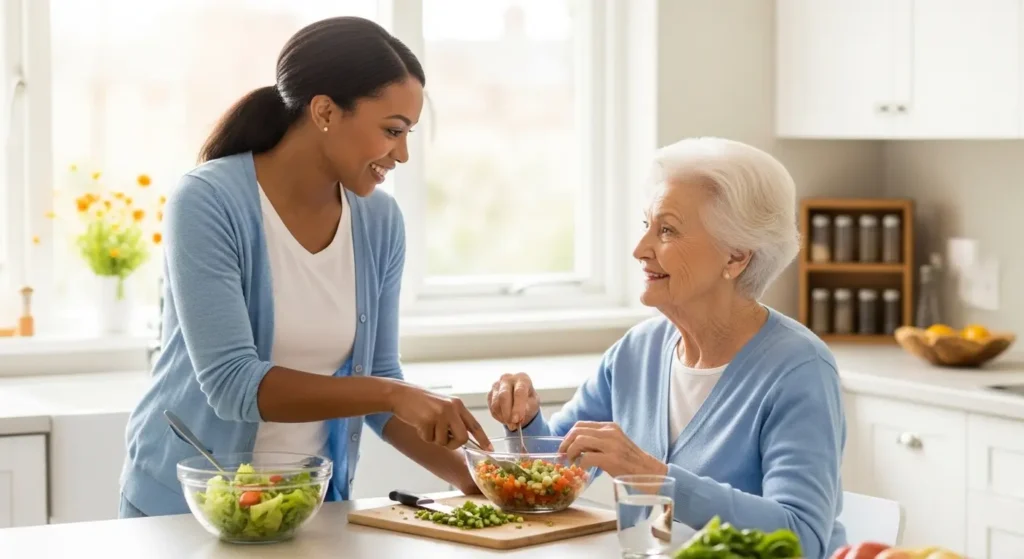
- Meal preparation based on dietary needs and preferences
- Light housekeeping and laundry
- Grocery shopping and running errands
- Transportation to doctor appointments and community activities
- Medication reminders to ensure the right doses at the right times
- Companionship and emotional support throughout the day
When you are assessing what your loved one needs, going through this list is a good starting point. Most seniors do not need help with everything. They may need support with a few ADLs and a couple of IADLs, and a good care plan is built around exactly that.
Signs a Senior May Need Personal Care
One of the hardest things for families is recognizing when it is actually time to bring in help. Seniors rarely come out and say they are struggling. Most of the time the signs are subtle at first and then they become harder to ignore. Here is what to watch for.
Physical signs:
- Unexplained falls, bruises, or injuries
- Noticeable weight loss or signs they are skipping meals
- Declining personal hygiene like unwashed hair, body odor, or dirty clothing
- Difficulty moving around the home safely
Cognitive signs:
- Forgetting to take medications or taking the wrong dose
- Missing doctor appointments or important events
- Increased confusion in familiar settings
Emotional signs:
- Pulling away from family and friends
- Seeming sad, flat, or uninterested in things they used to enjoy
- Expressing fear about being alone or feeling like a burden
Environmental signs:
- Clutter or disorganization that was not there before
- Unpaid bills stacking up or past-due notices
- Expired or spoiled food in the fridge
If your loved one is pushing back on the idea of getting help, that is very common. Try approaching it from their perspective. Frame it as something that helps them stay in their own home longer and keeps them more independent, not less. Sometimes it also helps to have the conversation with a doctor present or to let them meet a potential caregiver informally first.
Types of In-Home Help for Seniors
Not every senior needs the same level of care. One of the best things about in-home help for seniors is how flexible it can be. Home Halo offers different types of support to match exactly where your loved one is right now.
Part-time or hourly care:
A great starting point for seniors who are mostly independent but could use help a few mornings a week or during specific tasks. This is also popular for families who want a caregiver to check in regularly without needing full-day coverage.
Live-in or 24/7 around-the-clock support:
For seniors who need continuous supervision or support throughout the day and night. Live-in care means a caregiver is always present, which provides enormous peace of mind for families and helps seniors feel secure at home.
Respite care for family caregivers:
If you are the primary caregiver for a parent or spouse, you need time off too. Respite care gives you scheduled breaks while a Home Halo caregiver steps in and provides the same quality of care you would give yourself.
Specialized care for dementia and memory loss:
Home Halo has a dedicated dementia care program where caregivers are specially trained to work with seniors living with Alzheimer’s and other forms of memory loss. This includes cognitive stimulation activities, safety monitoring, and care plans that evolve as the condition progresses.
Companionship and social engagement:
Sometimes what a senior needs most is just a real human connection. Our caregivers provide genuine friendship, conversation, and engagement that helps seniors stay mentally and emotionally healthy.
How Personal Care Assistance Supports Independence and Safety
A lot of families worry that bringing in a caregiver will make their loved one feel less independent. The opposite is usually true. Good personal care assistance is designed to support what a senior can still do while filling in the gaps where they need help. It is never about taking over.
Maintaining daily routines is one of the most important things a caregiver does. When seniors wake up at the same time, eat at regular hours, and move through their day with familiar structure, they feel more in control and more like themselves. Routine also helps slow cognitive decline in seniors with memory issues. Fall-prevention is another huge part of personal care at home. A caregiver who is present and attentive notices hazards before they become accidents. They assist with mobility, make sure pathways are clear, and help with transitions like getting out of bed or stepping into the shower where falls are most likely to happen.
Medication reminders are simple but critically important. Missing doses or taking medications at the wrong time can have serious health consequences. Having a caregiver provide gentle, consistent reminders keeps seniors on track without making them feel managed or controlled. Staying socially connected is also part of staying healthy. Caregivers take seniors to community activities, help them stay in touch with friends and family, and provide the kind of daily interaction that keeps the mind sharp and the spirit lifted.