


Finding the right home care for seniors in Wisconsin can feel overwhelming, especially when a loved one wants to remain at home but everyday routines are becoming harder to manage. At the same time, families may be weighing safety concerns, changing health needs, work responsibilities, distance and the senior’s strong desire to stay independent.
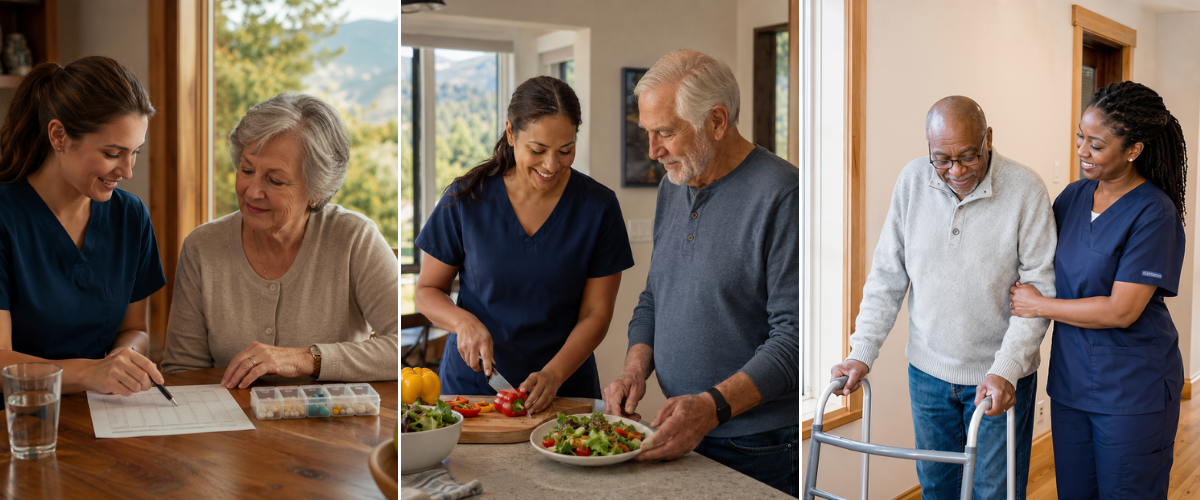
Home care can provide practical, non-medical support in the place a senior already knows best. For example, a caregiver may help with personal routines, meals, light housekeeping, transportation, companionship, respite and other daily needs. Rather than taking away independence, the right amount of support helps an older adult participate in daily life with greater safety, comfort and confidence.
In this guide, families will learn what Wisconsin home care includes, which signs may indicate a need for support, how to compare providers and where to find helpful statewide resources.
Quick answer:
Home care for seniors in Wisconsin is personalized, non-medical support provided in a senior’s home. Services may include companionship, personal care assistance, meal preparation, medication reminders, transportation, light housekeeping, dementia support and respite for family caregivers.
What Is Home Care for Seniors in Wisconsin?
Home care offers non-medical assistance that helps an older adult remain safe, comfortable and as independent as possible at home. Instead of following a fixed, one-size-fits-all schedule, providers shape care around the person’s routines, preferences and level of need.
Some seniors need a few hours of support each week for errands, meals or companionship. By contrast, others benefit from daily personal care, supervision, memory support or overnight assistance. In either case, a care plan can begin small and change as the senior’s needs evolve.
Families who are new to the topic may also find Home Halo’s broader guide to home care for seniors helpful when comparing common care options.
In-Home Care for Seniors & Veterans
Compassionate, personalized in home care designed to help seniors live safely and independently in the comfort of home. Our trusted home care services provide daily support, companionship, and specialized senior home care giving families peace of mind every step of the way.
Home Care, Home Health and Residential Care Are Different
People sometimes use these terms interchangeably. However, they describe different types of support. Understanding the distinction can help families ask better questions and avoid choosing a service that does not match the situation.
Non-medical home care: Support with daily routines, personal care, companionship, meal preparation, transportation, household tasks and family caregiver relief.
By contrast, home health care: Licensed nurses or therapists deliver skilled medical services after an eligible healthcare provider orders them and the person meets coverage requirements.
Residential care settings: Assisted living communities and nursing facilities provide care outside the senior’s private home. The level of medical oversight, staffing and personal support varies by setting.
In some situations, a senior may receive both home health and non-medical home care at the same time. For example, a therapist may visit for short-term rehabilitation while a caregiver helps with meals, bathing, mobility, household routines and supervision between clinical visits.
Common Wisconsin Home Care Services
The most useful care plan reflects what is difficult today, what the senior still wants to do independently and where the family needs reliable backup. In addition, families can combine services and adjust them over time.
Companion Care and Social Connection
Companion care provides conversation, encouragement and meaningful engagement. For example, a caregiver might share a meal, play cards, take a walk, help with a favorite hobby or accompany a senior to a community activity. As a result, regular companionship can be especially valuable for older adults who live alone or have limited opportunities for social interaction.
Learn more about companion care for seniors in Wisconsin and how it can support connection without taking over a senior’s routine.
Personal Care and Daily Living Support
Personal care assistance may include respectful help with bathing, dressing, grooming, toileting, mobility, transfers and other activities of daily living. At the same time, the caregiver should protect the senior’s dignity and encourage them to manage whatever they can safely do on their own.
Home Halo’s daily living support page explains how non-medical caregivers can assist with essential personal routines.
Meal Preparation and Home Management
As strength, balance or endurance changes, grocery shopping, meal preparation, laundry and light housekeeping can become tiring or unsafe. Therefore, help with these tasks can make the home easier to manage and support more consistent meals and routines.
Families can explore additional examples of home management assistance for seniors who need practical help around the house.
Transportation and Errand Assistance
Transportation support can help seniors attend appointments, pick up prescriptions, buy groceries, visit friends or remain involved in community life. In particular, this support can matter when a senior no longer drives, winter travel feels difficult or family members cannot be available during the day.
Medication Reminders
Non-medical caregivers may provide reminders and help a senior follow an established medication routine. However, they do not prescribe medications, change doses or make clinical decisions. Therefore, families should ask which tasks the provider allows caregivers to perform and how it trains them.
Read more about the role and limits of medication reminders for seniors.
Respite Care for Family Caregivers
Respite care gives a spouse, adult child or other family caregiver time to work, rest, attend appointments or manage other responsibilities while a trained caregiver supports the loved one at home. Depending on the family’s needs, they can schedule respite occasionally, weekly or for a longer period.
Home Halo offers in-home respite care designed to provide dependable relief without disrupting the senior’s familiar environment.
Dementia and Memory Support
Seniors living with dementia often benefit from consistency, familiar surroundings and calm routines. For example, non-medical dementia care may include supervision, cueing, companionship, meal support, personal care and activities adapted to the person’s abilities and preferences.
Families should ask how caregivers are trained for memory-related behaviors and how the agency communicates changes in mood, routine, safety or function. Home Halo’s dementia home care services provide more detail.
Post-Hospital and Recovery Support
After surgery, illness or rehabilitation, a senior may temporarily need help with meals, mobility, household tasks, transportation and daily routines. In this situation, non-medical care can complement discharge instructions and skilled services while the senior regains strength.
See Home Halo’s guide to post-surgery home care for seniors for additional planning considerations.

When Home Care for Seniors in Wisconsin May Help
Home care rarely becomes necessary in a single moment. Instead, families often notice a pattern of small changes that make daily life less safe, consistent or manageable.
- The senior skips meals, eats too little or struggles to prepare food.
- Laundry, dishes, mail or household clutter are piling up.
- Bathing, dressing, grooming or toileting has become difficult.
- The senior has stopped driving or misses appointments and errands.
- Medication routines become inconsistent, or the senior begins forgetting doses.
- There has been a fall, near-fall, hospitalization or noticeable decline in mobility.
- A senior who lives alone appears lonely, withdrawn or less engaged.
- Memory changes are affecting judgment, safety or daily tasks.
- A family caregiver feels exhausted, loses sleep or struggles to balance work and care.
- Adult children are coordinating care from another city or state and need dependable local support.
However, one sign alone does not always mean a senior needs ongoing care. The larger question is whether the person can complete essential routines safely and consistently and whether the current family plan is sustainable.
Why Wisconsin Families May Need a Flexible Care Plan
Because Wisconsin includes large cities, suburbs, small towns and rural communities, access to transportation, healthcare, family help and community programs can vary. As a result, a care plan that works in Milwaukee or Madison may look different from one serving a family in a smaller community.
Seasonal conditions also matter. For example, snow, ice and cold weather can make driving, errands and outdoor mobility more difficult for some older adults. As a result, families may need extra support during winter, after a hospitalization or when a primary caregiver travels.
Flexibility is one of the practical advantages of home care. For example, families can begin with targeted visits during the times of day that create the most concern, then add or reduce support as routines, health and family availability change.
How Home Care for Seniors in Wisconsin Supports Family Caregivers
Family caregivers often manage more than hands-on care. In addition, they may coordinate appointments, medications, household needs, finances, transportation and communication with relatives while maintaining a job and their own household.
Professional home care does not replace family involvement. Instead, it shares the workload and creates a more reliable support system. As a result, even a few scheduled visits can give family members protected time to work, rest or focus on responsibilities that only they can handle.
Wisconsin also offers statewide family caregiver support programs that connect caregivers with information and community resources. Families can combine these programs with private-duty care when appropriate.
Trusted Home Care Services
At The Home Halo®, we are a trusted home care agency dedicated to providing non medical home care, companion care, and caregiver services that support independence, dignity, and comfort at home.
How Much Home Care Does a Senior Need?
The right schedule depends on the senior’s functional abilities, safety risks, health conditions, daily routine and available family support. Therefore, a thoughtful provider should recommend care based on assessed needs rather than pushing the largest possible schedule.
Limited weekly support: A few hours may cover companionship, errands, meal preparation, laundry or a regular safety check-in.
Several weekly visits: This schedule may support personal care, transportation, household routines, respite and help during specific parts of the day.
Daily support: Daily visits may help with morning or evening routines, meals, mobility, supervision or ongoing family caregiver relief.
Overnight or continuous support: Some seniors need this level of care because of significant safety, supervision or personal care needs, when the provider offers these services.
First, identify the highest-risk or most stressful times. For example, morning personal care, dinner preparation, evening confusion and appointment days are common starting points. Then, review the plan as the family learns what is most helpful.
Paying for Home Care in Wisconsin
Home care costs vary based on the number of hours, type of support, location, scheduling requirements and whether the senior needs care on weekends, overnight or around the clock. Therefore, ask each provider for a clear explanation of minimum visit lengths, hourly rates, holiday pricing, cancellation policies and any assessment or administrative fees.
Depending on eligibility, families may pay through private funds, long-term care insurance that includes home-based services, certain Medicaid long-term care programs or veterans benefits.
Wisconsin’s Family Care program is a Medicaid long-term care program for eligible older adults and adults with disabilities. IRIS is a self-directed Medicaid long-term care option for eligible participants. Contacting a local Aging and Disability Resource Center is the best starting point for understanding these programs and eligibility.
Original Medicare generally does not pay for ongoing custodial or personal care when that is the only care needed. It may cover eligible skilled home health services under specific conditions. Families should review the official Medicare home health coverage information and confirm benefits directly with the plan or program involved.
Important payment reminder
Coverage rules are individual and can change. A home care agency can explain its billing process, but eligibility decisions should be confirmed with the insurer, Medicaid program, Veterans Affairs or other benefit administrator.
Wisconsin Resources for Seniors and Families
Private home care is often one part of a larger support plan. Wisconsin families may also benefit from the following state and local resources:
- Aging and Disability Resource Centers (ADRCs): ADRCs connect older adults, people with disabilities and caregivers with local services, benefits counseling and long-term care options. Visit the Wisconsin ADRC directory or call 844-WIS-ADRC (844-947-2372).
- Elder benefit specialists: Wisconsin elder benefit specialists provide confidential guidance to adults age 60 and older about benefits and programs that may reduce costs.
- SeniorCare: The Wisconsin SeniorCare program helps eligible Wisconsin residents age 65 and older with prescription drug and vaccine costs.
- Dementia care specialists: The state’s Dementia Care Specialist Program offers information and support for people living with dementia and their caregivers in participating communities.
- Veteran service officers: Wisconsin veterans and their families can contact a County or Tribal Veterans Service Officer for guidance on federal, state and local benefits.
These resources do not replace a personalized care assessment, but they can help families understand available programs and build a more complete plan.
How to Choose a Home Care Provider in Wisconsin
Searching for home care Wisconsin options may produce many agencies and service models. However, the strongest choice is not always the first result or the lowest hourly rate. Instead, look for a provider that communicates clearly, understands the senior’s priorities and follows a dependable process for caregiver matching and ongoing supervision.
During consultations, ask the following questions:
- Which services does the agency include, and which tasks fall outside the caregiver’s role?
- How does the agency screen, train, match and supervise caregivers?
- Who employs the caregiver and manages payroll, taxes, insurance and scheduling?
- How does the agency handle call-offs, emergencies or a caregiver who is not the right fit?
- Can the agency change care plans and schedules as needs evolve?
- How will the agency communicate updates or concerns to the family?
- Does the provider have experience with dementia, mobility limitations, veterans or post-hospital needs when relevant?
- What are the rates, minimum visit requirements, weekend charges and cancellation policies?
- How does the agency address complaints or quality concerns?
Pay attention to how the provider speaks about the senior. In particular, a relationship-centered agency should ask about routines, preferences, personality, goals and what independence means to that individual, not only the tasks on a checklist.
How to Talk With a Parent About Accepting Help
Seniors may resist home care because they fear losing privacy, control or independence. Beginning the conversation with respect can make the idea feel less threatening.
- Start with the senior’s goal. Ask what would help them continue living at home comfortably.
- Discuss specific challenges. Focus on meals, transportation, bathing or another concrete concern instead of saying they can no longer manage.
- Offer choices. Include the senior in selecting schedules, services and caregiver preferences.
- Begin with a trial. A short-term or limited schedule can feel more comfortable than an open-ended commitment.
- Frame care as support for independence. Explain that help with a few difficult tasks may make it easier to remain at home longer.
Unless there is an immediate safety concern, families do not need to solve every future care question in one conversation. Small, respectful steps often create better long-term cooperation.
Trusted Home Care Services for Seniors & Families
Finding the right home care services for seniors and elderly loved ones can be overwhelming. We make it simple by connecting families with compassionate and reliable in-home care solutions tailored to individual needs.
Why Families Choose Home Halo in Wisconsin
Home Halo provides compassionate, non-medical care designed around each senior’s needs, routines and preferences. Services may include daily living support, home management assistance, respite care, companionship, dementia support and specialized assistance for veterans.
Home Halo’s Wisconsin home care locations include offices in Wauwatosa and Madison, with service available throughout Wisconsin’s 72 counties. Care plans can be adjusted as needs change, helping families create support that feels personal rather than institutional.
Families in the Madison area can also read the local guide to home care for seniors in Madison, Wisconsin.
Frequently Asked Questions About Home Care for Seniors in Wisconsin
What services are included in home care?
Services may include companionship, personal care assistance, meal preparation, medication reminders, light housekeeping, laundry, transportation, respite care, mobility support and dementia-related supervision. The exact services depend on the provider and the individual care plan.
How is home care different from home health care?
Home care focuses on non-medical help with daily living and household routines. Home health care provides skilled medical services, such as nursing or therapy, for eligible patients under a clinical plan of care. Some seniors receive both types of support.
Can a senior receive only a few hours of care each week?
Yes, depending on the agency’s scheduling policies. Many families begin with part-time visits for companionship, errands, meals, personal care or respite, then adjust the schedule as needs change.
Does Medicare pay for non-medical home care?
Original Medicare generally does not cover ongoing custodial or personal care when it is the only service needed. Medicare may cover eligible skilled home health services under specific conditions. Families should confirm coverage directly with Medicare or the senior’s health plan.
Can home care help a senior with dementia?
Yes. Non-medical home care can help maintain routines, provide supervision, support personal care, prepare meals and offer meaningful engagement. Ask providers about dementia-specific training, caregiver consistency and how safety concerns are communicated.
How do I know when to increase care hours?
Consider reviewing the schedule when falls, missed meals, personal care difficulties, wandering, nighttime concerns, repeated hospital visits or family caregiver exhaustion increase. A change in medical condition should also be discussed with the senior’s healthcare provider.
Is Home Halo available throughout Wisconsin?
Home Halo states that its Wisconsin team serves families across all 72 counties, with offices in Wauwatosa and Madison. Availability and scheduling may vary, so families should contact the Wisconsin office to discuss the senior’s location and care needs.
Supporting a Safer, More Independent Life at Home
Choosing home care is not about taking control away from an older adult. It is about identifying the support that can make everyday life safer, less stressful and more sustainable for the entire family.
The best home care for seniors in Wisconsin begins with listening. A thoughtful plan considers the senior’s routines, abilities, preferences and goals while also recognizing what family caregivers can realistically provide. Starting before a crisis gives everyone more time to compare options, involve the senior and build trust with a care team.
Home Halo helps Wisconsin families create personalized non-medical care plans that support dignity, connection and independence at home. Contact Home Halo Wisconsin to schedule a consultation and discuss what level of support may fit your loved one’s needs.